
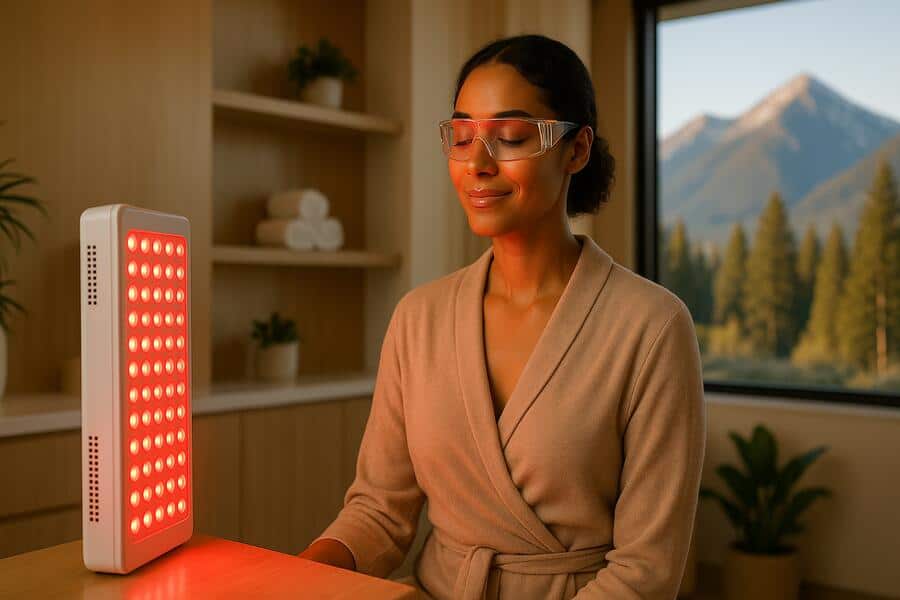
Targeted red light therapy, also known as photobiomodulation, is gaining significant attention in the wellness and aesthetic fields. This non-invasive treatment harnesses specific wavelengths of red and near-infrared light to stimulate cellular functions, offering a range of potential benefits without heat or discomfort. For those considering this innovative approach, understanding what to expect from targeted red light therapy is key to setting realistic expectations and appreciating its scientific basis.
The Science and Experience of Targeted Red Light Therapy
Understanding the Mechanics of Targeted RLT
At its core, targeted red light therapy involves exposing specific areas of the body to low-level red and near-infrared light. Unlike UV light, these wavelengths are therapeutic, penetrating the skin to reach cells and mitochondria. The light energy is absorbed, triggering a cascade of beneficial cellular responses. This process enhances ATP (adenosine triphosphate) production, boosts cellular repair, reduces inflammation, and improves circulation. The result is a non-ablative, non-thermal, and atraumatic treatment for skin tissue, supported by a growing body of legitimate scientific research from institutions like Stanford Medicine and Nature.
Many individuals seeking proactive wellness solutions are increasingly exploring options like non invasive body contouring to help them achieve their desired aesthetic and feel more confident. Targeted red light therapy works synergistically with a holistic approach to wellness, offering a complementary path to feeling your best.
💡 Key Takeaway: Targeted Red Light Therapy (RLT) utilizes specific wavelengths of light to stimulate cellular functions, promoting natural healing and rejuvenation at a mitochondrial level without invasive procedures or discomfort. It’s a scientifically-backed approach to enhancing cellular health.
Diverse Applications and Anticipated Benefits
The applications of targeted red light therapy are broad, spanning from skin health to pain management and hair regeneration. What you can expect depends largely on your treatment goals:
- Skin Rejuvenation: Expect improvements in skin complexion, elasticity, and overall feeling. RLT can stimulate collagen production, which helps reduce the appearance of fine lines and wrinkles. It’s also recognized by the American Academy of Dermatology for its potential to ease acne and minimize scars.
- Hair Health: For individuals experiencing hair thinning or loss, RLT shows promise in stimulating hair follicles for regeneration.
- Pain and Inflammation: Many report a reduction in pain and inflammation for localized issues, as the light therapy aids in cellular repair and circulation.
- Wound Healing: RLT can accelerate the healing process of minor wounds and reduce recovery time.
- Ocular Health: Emerging research indicates potential benefits for improving visual acuity and reducing retinal thickness in certain conditions.
| Targeted RLT Application | Expected Benefit |
|---|---|
| Fine Lines & Wrinkles | Increased collagen production, improved skin elasticity |
| Acne & Scars | Reduced inflammation, minimized appearance of blemishes and scars |
| Hair Thinning | Stimulation of hair follicles for regeneration |
| Localized Pain & Inflammation | Enhanced cellular repair, improved circulation, discomfort reduction |
💡 Key Takeaway: From boosting skin collagen and reducing wrinkles to aiding hair regeneration and easing localized discomfort, the versatility of targeted RLT means it can address a wide range of wellness and aesthetic concerns, with benefits accumulating over consistent use.
What to Expect During Your Targeted RLT Session
A typical targeted red light therapy session is a comfortable and straightforward experience. You will be positioned so the specific treatment area is exposed to the RLT device. Sessions are usually brief, often lasting between 10 to 20 minutes, depending on the area being treated and the device used. You may feel a gentle warmth, but there should be no discomfort or pain. Eye protection is typically provided and recommended, especially for facial treatments. It’s a completely non-invasive process, allowing you to relax during your treatment.
Establishing a Consistent RLT Regimen
Consistency is paramount for achieving optimal results with targeted red light therapy. Most clinical trials demonstrating measurable improvements, especially for skin conditions, involve regular sessions. For instance, many studies suggest using RLT for approximately 10-12 minutes a day, twice per week, leading to noticeable changes within 4-12 weeks for collagen production and wrinkle reduction. Your provider will recommend a personalized treatment plan based on your specific goals and the condition being addressed. Adhering to this schedule allows the cumulative effects of photobiomodulation to take hold, fostering continuous cellular improvement.
💡 Key Takeaway: Targeted RLT sessions are quick, comfortable, and non-invasive. The key to seeing lasting results lies in consistency; adhering to a recommended treatment schedule allows the therapy’s cellular benefits to compound over time.
Targeted red light therapy represents a promising frontier in non-invasive wellness and aesthetic treatments. By understanding its scientific principles, diverse applications, and the importance of a consistent regimen, you can approach your sessions with confidence. It’s a commitment to cellular health that can yield noticeable improvements in your appearance and overall well-being.
Have questions about professional concrete cleaning in Phoenix? Give us a call today.
Frequently Asked Questions About Targeted Red Light Therapy
Is targeted red light therapy safe?
Yes, red light therapy is considered safe and is FDA-approved for many applications. Side effects are minimal and may include temporary skin redness. It’s non-thermal and non-ablative, meaning it doesn’t cause damage to the skin’s surface.
How long does it take to see results from targeted RLT?
Results vary depending on the individual and the condition being treated, but many studies show measurable improvements in as little as 4-12 weeks for skin concerns like collagen production and wrinkle reduction when sessions are consistent.
What is the difference between red light and near-infrared light?
Red light (around 620-700 nm) is visible and primarily beneficial for surface-level skin issues. Near-infrared light (around 700-1000 nm) is invisible and penetrates deeper into tissues, making it effective for muscle recovery, joint pain, and deeper cellular regeneration.
Are there any conditions for which RLT is not recommended?
While generally safe, it’s always best to consult with a professional if you have specific medical conditions, are pregnant, or are taking medications that increase light sensitivity. Eye protection is crucial during facial treatments.


