How Medical-Grade Red Light Therapy Works

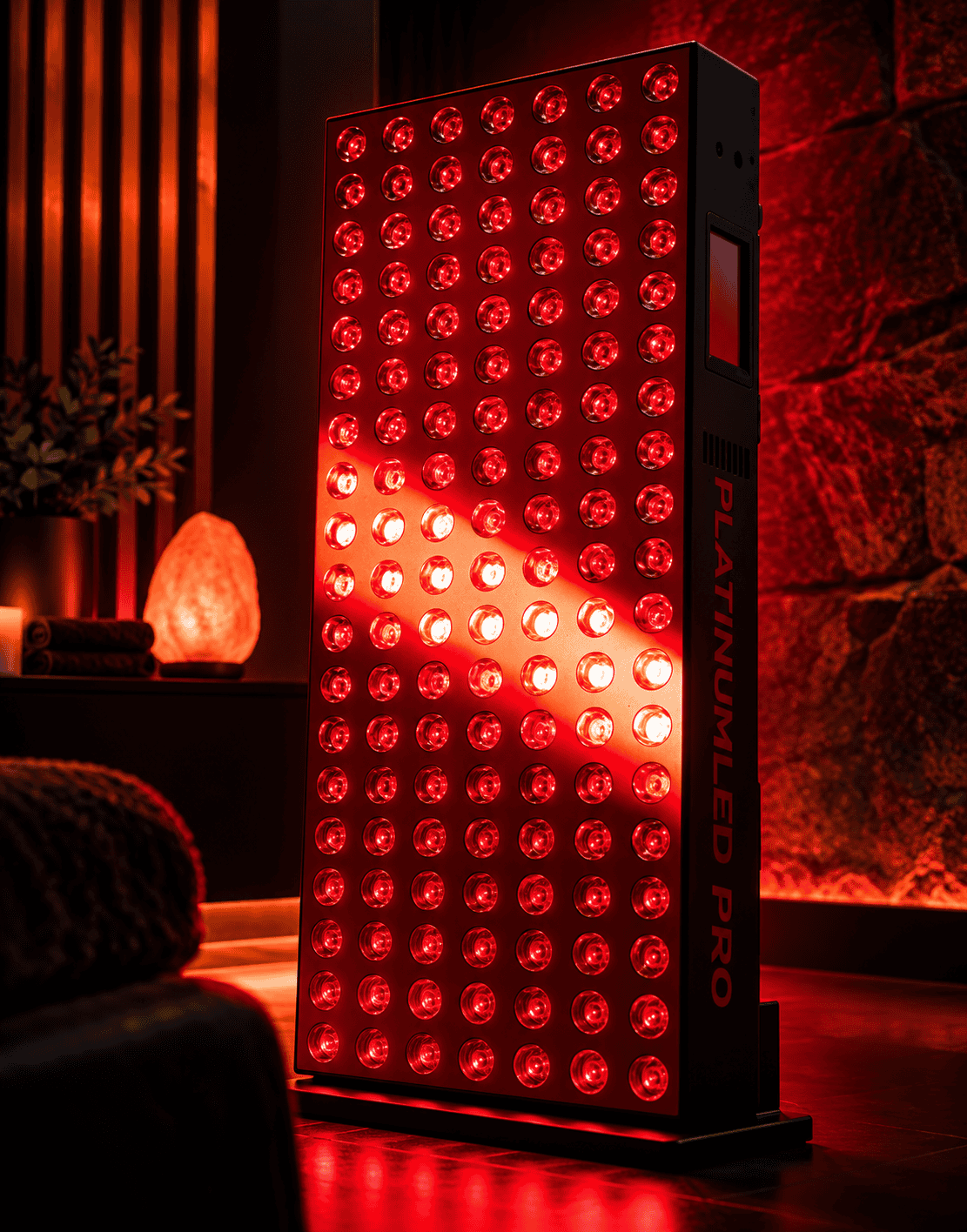
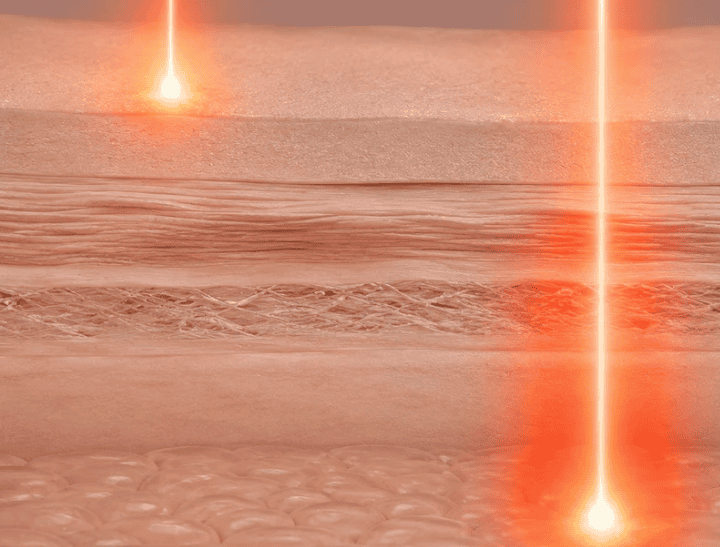
Our medical-grade red light therapy uses red and near-infrared wavelengths delivered through a professional light panel positioned close to the body. These wavelengths are absorbed by the surface layers of the skin, where they are associated with cellular energy, a process often described as photobiomodulation.

Red light therapy does not use ultraviolet (UV) light and does not expose the skin to harmful radiation. It is a non-prescriptive, non-invasive wellness service that many guests enjoy as part of their skin care and overall well-being routine.
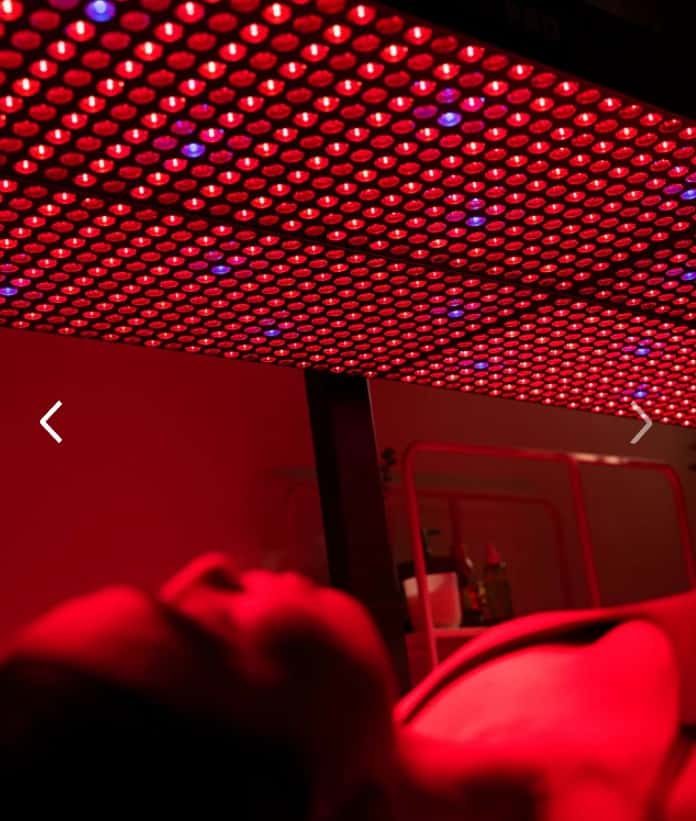
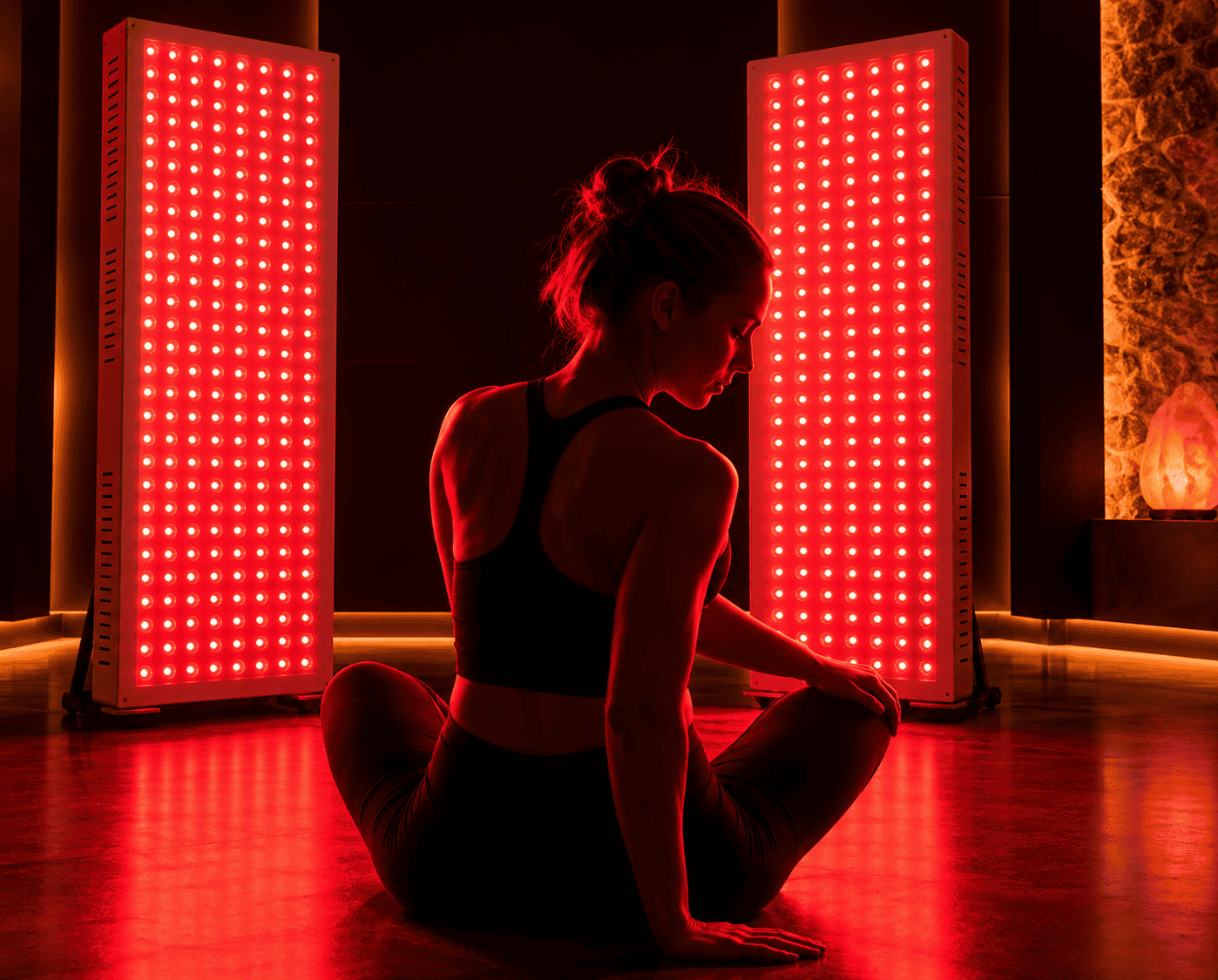
When light at these wavelengths is absorbed, it can help support the natural production of cellular energy (ATP) and encourage normal circulation and tissue function. However, while LED therapy supports general wellness, it is not designed to reduce inflammation or treat inflammation-related skin conditions. This is why many people use LED sessions as a way to help their body feel more restored, especially in combination with other wellness practices.

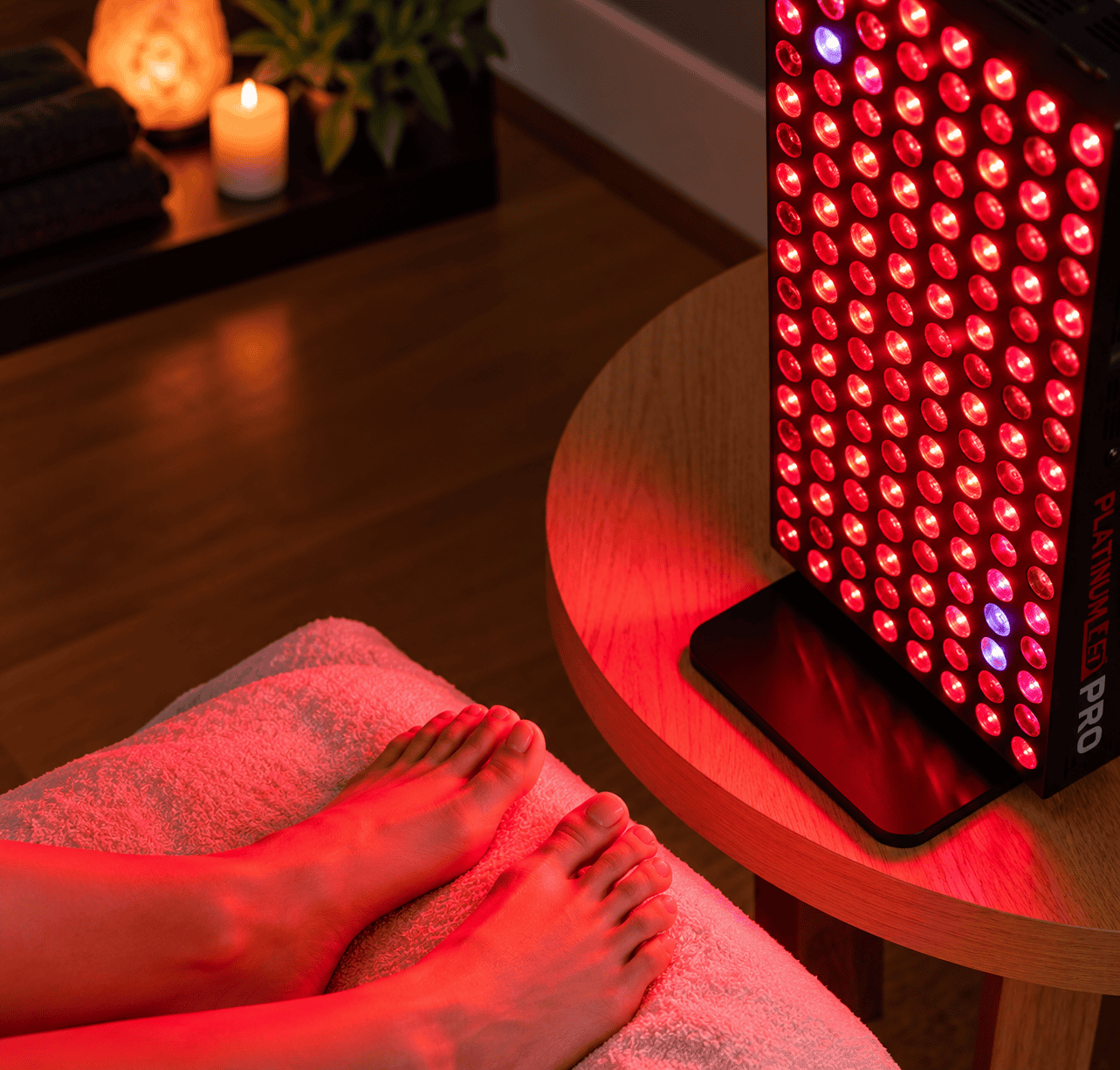
The process is non‑invasive, needle‑free, and generally not painful. You simply lie down, expose the areas you want to focus on, and let the light panel do its work. The treatment area is limited to the skin exposed to the LED panel, ensuring targeted therapy. The sensation is often described as gentle warmth or mild heat, without the harsh intensity sometimes associated with UV lamps. Skin redness is uncommon with this modality.

Clients choose red light therapy sessions for several reasons. Experiences vary, but many people report feeling:

  • Looser and more comfortable in tight or overworked areas
  • More relaxed and rested after a session
  • Gradual improvements in how their skin or tissue feels over time

Some guests feel an immediate sense of relaxation or gentle “lightness” in the areas that received light. Others notice benefits after a series of sessions, such as more comfortable movement or a refreshed look to their skin. These outcomes are supportive rather than curative; they work best as part of an ongoing self‑care routine.

What to Expect During a Light Therapy Session

A light therapy session at Lavana Connection is designed to feel as simple and restorative as possible. The experience is closer to a quietly meditative rest than a high‑intensity medical procedure.

You’ll check in at our Stevensville location and be guided to a private treatment room. Your provider will briefly review your goals for the session, any relevant health history, and which areas you’d like to focus on. This is a good time to mention any photosensitivity, medications, or skin concerns.

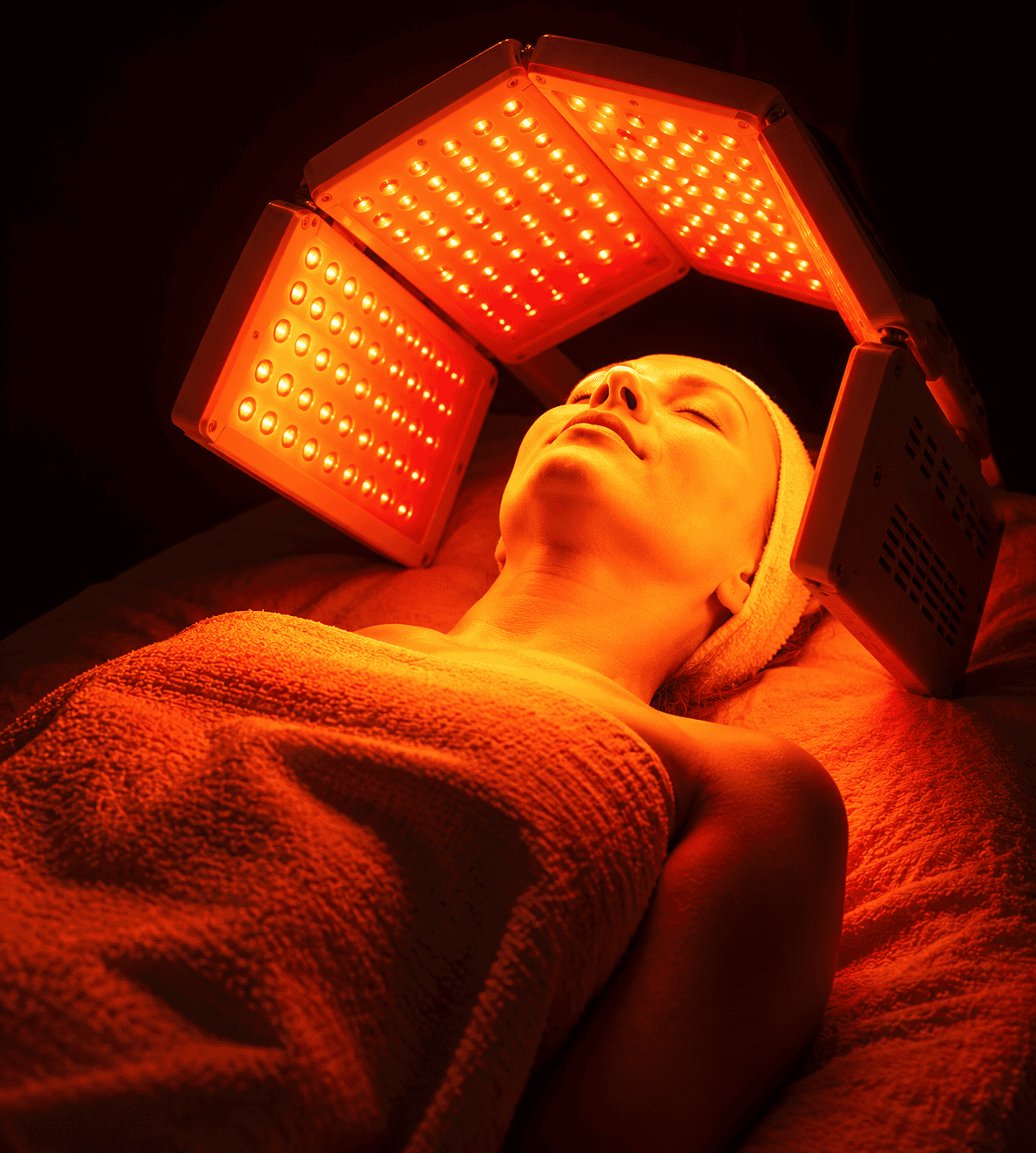
You’ll be asked to undress to your comfort level so the skin you want treated is exposed. This could mean shorts and a tank top, or undergarments, depending on the focus areas. You’ll lie on a heated massage table, covered where needed for warmth and modesty, while the LED device is positioned above or alongside your body.

Once you’re comfortable, the Led Light Therapy device is turned on. Sessions are typically timed (for example, around 20 minutes), and you can close your eyes, listen to soft music, or simply rest. Protective eyewear may be provided or recommended depending on the setup. It is important to wear eye protection during any light therapy session involving bright or potentially harmful light to prevent permanent eye damage and ensure your safety.

Most people experience a gentle warmth from the light rather than an intense heat. There should be no stinging, burning, or sharp pain. If anything feels uncomfortable, you can speak up at any time so we can adjust the distance, position, or duration.

When the session ends, the light is turned off and you can take a few moments to re‑orient yourself before dressing. Many clients feel pleasantly relaxed, similar to how they might feel after a restful meditation or quiet break.

There is no required downtime after LED light therapy. You can return to your usual daily activities in Stevensville or Missoula, MT right away. If your skin feels warm, we may suggest simple measures like hydration and avoiding very hot showers for a short period, but most people do not need any special aftercare.

Who Is (and Isn’t) a Good Candidate

Red light therapy can be a good option for many adults seeking gentle, supportive wellness services. Still, there are important exceptions where light therapy may not be advisable.
Generally Suitable Clients

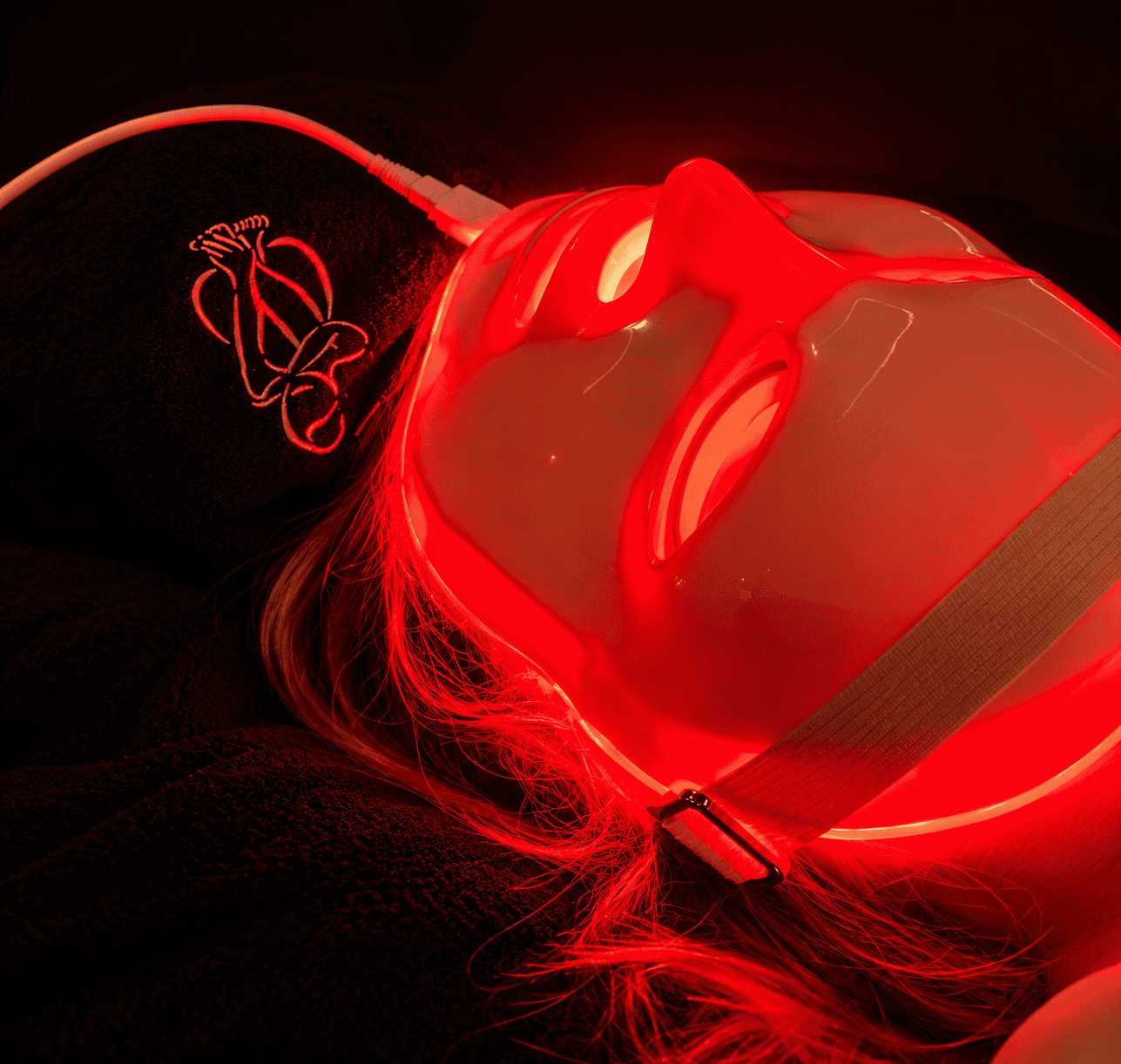
Most healthy adults who are not sensitive to light and who are not taking photosensitizing medications can consider light therapy as part of their wellness plan. It may be appealing if you:

  • Want a non‑invasive, hands‑off service
  • Are curious about supportive, tech‑forward wellness tools
  • Enjoy combining modalities like sauna, massage, and LED in a single self‑care routine

Many of our guests pair LED sessions with massage or other therapeutic offerings at Lavana Connection. For example, you might schedule a massage to address muscle tension followed by LED therapy to further support recovery and relaxation.

When to Avoid or Delay Treatment

Certain conditions and medications can increase a person’s sensitivity to light. In such cases, LED or UV‑style therapies may not be appropriate. It is important to consult a healthcare provider before starting treatment with UVB or PUVA therapy, especially for individuals with medical conditions or those who are pregnant.
You should talk to your healthcare provider before booking if you:

  • Have a condition associated with photosensitivity (e.g., lupus)
  • Take medications that increase light sensitivity
  • Are pregnant or under active medical evaluation for unexplained symptoms

If your doctor advises against ultraviolet lightTherapy or LED exposure, we will honor that guidance and help you explore other services instead.

Frequency, Results, and Limitations

Light therapy is most effective when viewed as a supportive, ongoing practice rather than a one‑time miracle fix. For medical UVB phototherapy, the number of treatment days and exposure time are carefully managed to balance effectiveness and safety. Managing expectations helps you get the most from each session.

There is no single “right” number of sessions; it depends on your goals and how your body responds. Many people start with 2–3 sessions per week for several weeks, then adjust based on how they feel and what they notice.

Like exercise or meditation, consistency tends to matter more than intensity. A steady schedule—combined with good sleep, hydration, and other healthy habits—can help your LED light sessions become a meaningful part of your wellness rhythm.

Light therapy at Lavana Connection is a cosmetic and wellness service, not a medical treatment. It’s important to be clear about its intended role. LED therapy is not intended for treating psoriasis or other specific medical skin conditions.

Our LED sessions can support relaxation, comfort, and a general sense of well‑being. They are not designed to diagnose, treat, or cure medical conditions, and they do not replace advice or care from your physicians or other medical professionals. If you have ongoing pain, skin changes, or other health concerns, those should always be evaluated by a qualified provider in Stevensville or Missoula, MT.

Book Red Light Therapy in Stevensville, MT

If you’re curious about gentle, light‑based wellness support, red light therapy at Lavana Connection in Stevensville, MT offers a calm, professionally guided experience. Serving clients from Stevensville, the Bitterroot Valley, and Missoula, MT, we integrate red light therapy into a broader menu of relaxing, restorative services.
Our team will gladly answer your questions, explain how light therapy fits within our wellness philosophy, and help you decide whether it belongs in your self‑care routine.

Contact Lavana Connection today to book a light therapy session or consultation. We’ll walk you through what to expect, tailor the visit to your comfort, and provide a serene space where you can pause, recharge, and let the light gently go to work.

FAQs

At Lavana Connection, we do not intentionally expose clients to therapeutic UV rays. Our service uses red and near‑infrared Led Light Therapy, which many people search for under the broader term “UV Light Therapy.” We focus on non‑UV wavelengths aligned with our safety‑first, wellness‑oriented approach.

Anyone with a history of skin cancer, complex skin conditions, use of photosensitizing medications, or a recommendation for medical phototherapy (such as narrowband UVB, PUVA, or home phototherapy) should speak with their healthcare provider before booking. Your doctor can help you decide whether a non‑UV, LED‑based wellness session is appropriate in addition to your existing care.

Our LED light treatment is not designed to diagnose or treat medical skin conditions such as psoriasis, eczema, vitiligo, or skin cancers. Some clients feel their skin looks or feels better as part of an overall self‑care routine, but any medical concern should be evaluated and managed by a dermatologist. We encourage you to follow your doctor’s plan and view our services as complementary only, not a replacement.

Some people feel more relaxed or “loosened up” after just one session, especially if they came in feeling tense or fatigued. More noticeable changes in how tissues feel or how skin looks typically develop over a series of sessions.

A single session can be a great introduction, but red light therapy usually works best as part of a consistent routine. We can help you plan a starting schedule and adjust as you go.

Most people tolerate Led Light Therapy very well, with minimal to no side effects. Mild warmth or temporary redness in treated areas can occur but usually resolves quickly.

No. Lavana Connection does not use light therapy to diagnose or treat skin cancer or cutaneous T cell lymphoma. Those are serious medical conditions that require evaluation and management by a dermatologist or oncology team using medically supervised phototherapy treatments or other therapies. Our light therapy is a non‑UV, LED‑based wellness service only.

Our LED light treatment is not designed to diagnose or treat medical skin conditions such as psoriasis, eczema, vitiligo, or skin cancers. Some clients feel their skin looks or feels better as part of an overall self‑care routine, but any medical concern should be evaluated and managed by a dermatologist. We encourage you to follow your doctor’s plan and view our services as complementary only, not a replacement.

No. If your dermatologist has recommended phototherapy treatments, PUVA treatment, an excimer laser, or a light box for a diagnosed condition, you should not substitute our LED sessions in place of those therapies. Our service is cosmetic and wellness‑oriented; any changes to your medical light treatment plan should only be made in consultation with your physician.