
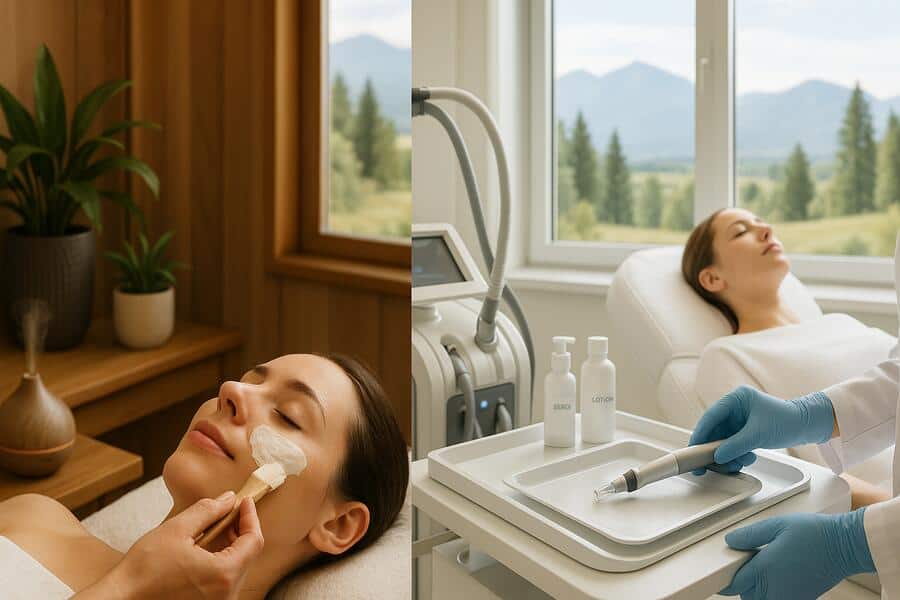
In the evolving landscape of self-care and aesthetic enhancement, two distinct types of establishments offer pathways to rejuvenation: traditional spas and medical spas. While both aim to improve well-being and appearance, there are fundamental differences that define their approach, services, and the level of care provided. Understanding what truly separates a med spa from a traditional spa is crucial for anyone looking to make an informed decision about their beauty and wellness journey.
💡 Key Takeaway: The primary distinction between a med spa and a traditional spa lies in medical oversight, allowing med spas to offer advanced, results-driven treatments beyond typical relaxation services.
The Fundamental Difference: Medical Oversight and Purpose
Traditional Spas: Focus on Relaxation and Pampering
Traditional spas, often referred to as day spas, have a long-standing history rooted in relaxation, stress relief, and general well-being. Their core philosophy revolves around creating a serene environment where clients can escape the pressures of daily life. Services typically include:
- Massages (e.g., Swedish, deep tissue, hot stone)
- Basic facials (cleansing, hydrating, exfoliating)
- Body wraps and scrubs
- Manicures and pedicures
- Aromatherapy and hydrotherapy
The treatments at a traditional spa are generally non-invasive, designed for sensory pleasure, temporary beautification, and mental tranquility. While beneficial for relaxation, they typically do not target deeper skin concerns or offer medical-grade solutions for aesthetic improvements.
Med Spas: Blending Aesthetics with Medical Expertise
A medical spa, or med spa, distinguishes itself by integrating traditional spa treatments with advanced aesthetic medical procedures. The defining characteristic of a med spa is the presence of medical supervision, typically by a licensed physician or other qualified healthcare professional. This oversight permits the use of more powerful technologies and treatments that require medical expertise and a deeper understanding of anatomy and physiology. The goal here extends beyond simple pampering to achieving significant, lasting improvements in skin health, appearance, and body contouring.
Key Distinctions in Services and Technology
The array of services offered is a clear indicator of what separates a med spa from a traditional spa. Med spas are equipped to deliver treatments that are more intensive, target specific concerns, and often yield more dramatic results.
Advanced Treatments Offered
Due to medical supervision, med spas can legally and safely perform procedures that traditional spas cannot. These often include:
- Injectables: Botox, dermal fillers, and other neurotoxins to reduce wrinkles and restore volume.
- Laser Therapies: Hair removal, skin resurfacing, pigment correction, and tattoo removal.
- Microneedling: To stimulate collagen production for improved skin texture and firmness.
- Chemical Peels: Medical-grade peels that penetrate deeper than those available in traditional spas, addressing issues like acne, sun damage, and fine lines.
- Body Contouring: Non-invasive fat reduction and skin tightening treatments.
These services often require specialized training, clinical environments, and protocols for patient safety and efficacy.
Product Efficacy
The products used in med spas often contain higher concentrations of active ingredients, such as retinoids, growth factors, and potent antioxidants, which are typically only available through a medical professional. This allows for more effective treatment of conditions like chronic acne, hyperpigmentation, and advanced signs of aging, delivering results that over-the-counter products or traditional spa formulations cannot achieve.
Understanding the Professional Staff
The staff composition is another key differentiator. While traditional spas employ licensed estheticians, massage therapists, and nail technicians, med spas feature a multidisciplinary team. This team often includes:
- Physicians: Overseeing all procedures, performing complex treatments, and ensuring patient safety.
- Nurse Practitioners and Physician Assistants: Administering injectables and performing various aesthetic treatments under physician supervision.
- Registered Nurses: Assisting with procedures, post-care, and patient education.
- Licensed Estheticians: Often with advanced training, performing medical-grade facials, chemical peels, and laser treatments.
This higher level of medical training ensures that treatments are not only effective but also performed with the utmost safety and precision.
| Feature | Traditional Spa | Med Spa |
|---|---|---|
| Primary Focus | Relaxation, pampering, superficial beauty | Aesthetic results, medical-grade skin improvement, body contouring |
| Medical Oversight | None | Required (physician, NP, PA) |
| Types of Services | Massages, basic facials, body wraps, nail services | Injectables, lasers, microneedling, medical peels, body sculpting |
| Product Potency | Cosmetic-grade, lower concentrations | Medical-grade, higher concentrations |
Choosing What’s Right for You
The choice between a traditional spa and a med spa ultimately depends on your individual goals. If your primary aim is to relax, de-stress, and enjoy routine pampering, a traditional spa offers the ideal environment. However, if you’re seeking to address specific aesthetic concerns with advanced, results-driven treatments, under the guidance of medical professionals, a med spa is the more suitable option.
Both types of establishments play valuable roles in promoting well-being and beauty, but they cater to different needs and expectations. Understanding these core differences allows you to select the setting that best aligns with your personal journey toward enhanced appearance and overall wellness day spa.
💡 Key Takeaway: Assess your goals – relaxation versus corrective aesthetic treatments – to determine whether a traditional spa or a med spa is the best fit for your needs.
Have questions about professional concrete cleaning in Phoenix? Give us a call today.
Frequently Asked Questions About Med Spas vs. Traditional Spas
Can I get a massage at a med spa?
While some med spas may offer massages or other traditional spa services, their primary focus and expertise are on medical aesthetic treatments. If relaxation is your main goal, a dedicated traditional spa might offer a more comprehensive massage experience.
Are med spa treatments more expensive than traditional spa treatments?
Generally, yes. Due to the advanced technology, medical-grade products, and the involvement of highly trained medical professionals, med spa treatments typically have a higher price point than standard traditional spa services. However, they often deliver more significant and longer-lasting results.
Is a consultation required before med spa treatments?
Yes, most reputable med spas require an initial consultation with a medical professional. This allows them to assess your skin and health history, discuss your goals, determine if you are a suitable candidate for specific treatments, and create a personalized treatment plan, ensuring safety and efficacy.
Are med spas regulated differently than traditional spas?
Absolutely. Med spas operate under strict medical regulations that vary by state but generally require direct or indirect supervision by a licensed physician. Traditional spas, on the other hand, are typically regulated under cosmetology or salon licensing boards, with less stringent medical oversight.


