
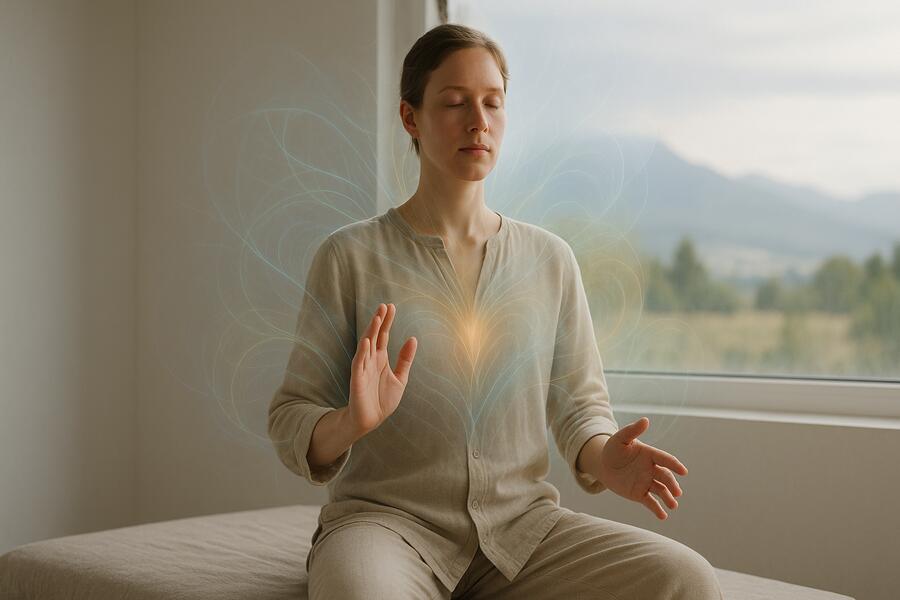
The concept of energy healing has long intrigued humanity, existing in various forms across cultures for millennia. As wellness practices evolve, many are now seeking to understand the science behind energy healing therapy. This field, often referred to as biofield therapy or energy medicine, posits that a subtle energy field surrounds and permeates the human body, influencing health and well-being. While traditionally viewed through a spiritual lens, modern inquiry is increasingly exploring the physiological effects and potential mechanisms by which these practices may offer benefits, working as a complementary approach to conventional care.
💡 Key Takeaway: Energy healing, also known as biofield therapy, explores the concept of subtle energy fields influencing health. While research is ongoing, it’s increasingly considered a valuable complementary therapy.
Exploring the Concept of Energy Healing
What is Energy Healing?
Energy healing encompasses a diverse range of practices designed to promote healing by interacting with what practitioners describe as the body’s ‘life force energy’ or ‘biofield’. These therapies often involve light touch, no-touch, or distant intention, aiming to balance, clear, or enhance these subtle energies. The goal is to support the body’s innate healing capabilities, addressing imbalances that may manifest as physical discomfort, emotional distress, or mental fog. Unlike some other complementary therapies such as hypnotherapy which focuses on the subconscious mind, energy healing directly addresses the energetic landscape of the individual.
The ‘Biofield’ Hypothesis
At the core of energy healing lies the biofield hypothesis, which suggests that living organisms generate and are influenced by a complex, subtle energy field. This field is thought to carry information that regulates physiological function. While not yet fully understood by conventional science, some researchers propose that this biofield could involve electromagnetic, acoustic, or other forms of energy that interact with the body’s cellular processes. The exploration of this hypothesis involves multidisciplinary approaches, including biophysics, psychology, and neuroscience.
💡 Key Takeaway: Energy healing practices aim to balance the body’s ‘biofield’ or subtle energy, believed to influence health and activate the body’s natural healing processes.
What Research Says: Evidence and Challenges
Emerging Scientific Support
In recent years, a growing body of peer-reviewed studies and systematic reviews has begun to shed light on the measurable effects of energy healing therapies. While the scientific community’s understanding is still developing, research indicates potential benefits in specific areas, particularly concerning relaxation, pain reduction, anxiety relief, and improvements in overall quality of life. Studies have noted statistically significant outcomes in improving illness symptoms and enhancing heart rate variability, suggesting an impact on cardiac function and nervous system regulation.
- Pain and Anxiety Reduction: Several randomized controlled trials have shown moderate effects in reducing self-reported pain and anxiety levels.
- Quality of Life: Participants in studies often report improvements in overall well-being and a better quality of life.
- Physiological Markers: Some research suggests an activation of the sympathetic nervous system during healing, followed by a shift towards a more parasympathetic, relaxed state, indicating a physiological response.
Methodological Considerations and Skepticism
Despite promising results in certain areas, the scientific investigation of energy healing also faces challenges. Critics often point to methodological flaws in some studies, the difficulty in designing truly blinded placebo-controlled trials for energy-based interventions, and the absence of a universally accepted scientific mechanism of action. The subjective nature of some reported benefits and the complexity of measuring subtle energy interactions contribute to ongoing skepticism. It’s crucial to acknowledge that while research is progressing, energy healing is primarily regarded as a complementary therapy, not a replacement for conventional medical treatment.
💡 Key Takeaway: Research suggests energy healing can moderately impact pain, anxiety, and quality of life, often by inducing relaxation and influencing the nervous system. However, the exact mechanisms are still being explored, and it complements, not replaces, traditional medicine.
How Energy Healing May Influence the Body
Physiological Responses
The observable effects of energy healing are thought to stem from its influence on the body’s physiological systems. For instance, the activation and subsequent calming of the autonomic nervous system – the system controlling involuntary bodily functions – is a common observation. This shift from a “fight or flight” (sympathetic) state to a “rest and digest” (parasympathetic) state is associated with deep relaxation, stress reduction, and an environment conducive to healing. Some studies have also pointed to improvements in heart rate variability, a marker of cardiac health and nervous system balance.
The Mind-Body Connection
A significant aspect of the science behind energy healing therapy often involves the profound mind-body connection. While some effects may be attributed to the placebo response – the psychological benefit derived from belief in a treatment – the consistent reporting of physiological changes and subjective improvements suggests more than just belief at play. The holistic nature of energy healing, addressing the individual on multiple levels, often fosters a sense of empowerment and well-being that contributes to the healing process.
| Potential Areas of Benefit | Observed Effects |
|---|---|
| Pain Management | Reduced intensity and perception of chronic and acute pain. |
| Anxiety & Stress Reduction | Induction of relaxation, lower stress hormones, improved mood. |
| Quality of Life Improvement | Enhanced overall well-being, better sleep, increased vitality. |
| Post-Operative Recovery | Faster wound healing, reduced post-surgical pain and fatigue. |
Conclusion: An Evolving Understanding
The science behind energy healing therapy is a fascinating and evolving field. While the full mechanisms are still being unraveled, a growing body of evidence suggests that these complementary practices can offer tangible benefits, particularly in areas like stress reduction, pain management, and enhancing overall quality of life. As researchers continue to explore the intricate interplay between subtle energies and human physiology, energy healing is increasingly recognized for its potential to support holistic wellness. It’s a field where ancient wisdom meets modern inquiry, offering new pathways for personal well-being.
Have questions about professional concrete cleaning in Phoenix? Give us a call today.
Frequently Asked Questions About Energy Healing Therapy
Is energy healing a substitute for traditional medical treatment?
No, energy healing is considered a complementary therapy. It should be used alongside traditional medical care, not as a replacement. Always consult with your doctor for any health concerns.
What does an energy healing session feel like?
Experiences vary, but many people report feelings of deep relaxation, warmth, tingling, or a sense of peace. Some may not feel anything specific but notice positive changes in their mood or physical symptoms afterwards.
How many energy healing sessions are needed to see results?
The number of sessions can vary greatly depending on individual needs and the specific issue being addressed. Some people experience benefits after just one session, while others may opt for a series of sessions for more profound and lasting effects.
Are there any side effects to energy healing?
Energy healing is generally considered safe with no known negative side effects. Some individuals might experience a “detox” period where they feel emotional or slightly tired as their system adjusts, but this is typically temporary and part of the healing process.


