
Embarking on your first skin peel journey can feel both exciting and a little daunting. Understanding what to expect during your first visit for a skin peel is key to a comfortable and successful experience. This guide will walk you through the process, from preparation to post-treatment care, ensuring you feel confident and informed every step of the way.
A professional skin peel is a powerful treatment designed to rejuvenate your skin by exfoliating the top layers, revealing a smoother, brighter, and more even complexion underneath. It’s an excellent way to address various concerns, from fine lines and sun damage to acne and uneven skin tone.
Your First Skin Peel Experience: A Detailed Guide
Before You Arrive: Essential Preparation Steps
Proper preparation is crucial for maximizing the benefits of your skin peel and minimizing potential side effects. Think of it as laying the groundwork for the best possible outcome. Ahead of your appointment, you’ll likely receive specific instructions, but generally, there are a few key practices to adopt.
- Cease Exfoliants and Retinoids: About a week before your peel, discontinue using any exfoliating products, including scrubs, retinol, retinoids, or products containing alpha hydroxy acids (AHAs) or beta hydroxy acids (BHAs). This prevents over-sensitization of the skin.
- Avoid Sun Exposure: Stay out of direct sunlight and do not use tanning beds for at least two weeks prior. Sunburnt or compromised skin cannot be peeled safely. Always use a broad-spectrum SPF 30+ daily.
- Keep Skin Moisturized: Ensure your skin is well-hydrated in the days leading up to your peel. Healthy, moisturized skin tends to respond better to the treatment.
- Gentle Skincare Routine: Switch to a mild, hydrating cleanser and moisturizer. Avoid harsh ingredients or active serums that could irritate your skin.
💡 Key Takeaway: Pre-peel preparation is not just a recommendation; it’s a critical component for the safety and effectiveness of your treatment. Adhering to these guidelines ensures your skin is optimally conditioned to receive the peel.
Your Consultation and Skin Assessment
Your first visit will always begin with a thorough consultation and skin assessment. This is not a one-size-fits-all treatment, and a skilled professional will take the time to understand your unique skin concerns and aesthetic goals.
During this stage, your specialist will:
- Discuss Your History: You’ll be asked about your skin history, current skincare routine, any medications you’re taking, and any allergies. This information helps identify potential contraindications or necessary adjustments to the treatment plan.
- Analyze Your Skin: A detailed visual and tactile examination of your skin will be performed to assess its type, condition, and any specific issues like hyperpigmentation, acne scarring, or fine lines. This helps determine the most appropriate peel solution and strength.
- Set Realistic Expectations: Your specialist will explain what kind of results you can realistically expect, the number of sessions that might be needed, and any potential downtime involved. This ensures you have a clear understanding of the journey ahead. For many seeking advanced skin rejuvenation, exploring Medical Grade Peels can be an excellent step toward achieving significant and lasting improvements in skin texture and tone.
The Peel Application Process
Once your skin has been assessed and the appropriate peel selected, the application process will begin. While the specific steps can vary slightly depending on the type of peel, the general procedure is consistent.
- Deep Cleansing and Degreasing: Your skin will be thoroughly cleansed to remove all traces of makeup, oil, and debris. A degreasing agent, such as isopropyl alcohol or acetone, is then applied to ensure the peel penetrates evenly and effectively.
- Eye and Lip Protection: Sensitive areas like your eyes and lips will be protected with a barrier cream or gauze.
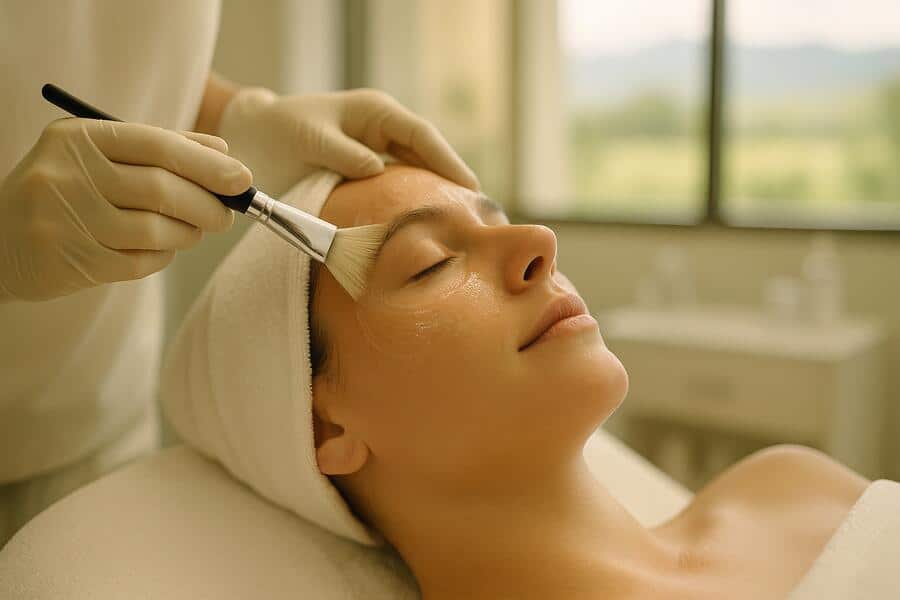
- Peel Application: The chemical solution is carefully applied to your skin, typically with a brush, cotton pad, or gauze. You may feel a tingling, warm, or slightly stinging sensation. This is normal and usually subsides as the peel takes effect. The sensation’s intensity depends on the peel’s depth and your skin’s sensitivity.
- Timing and Monitoring: The solution is left on for a specific duration, which varies depending on the peel type and your skin’s reaction. Your specialist will closely monitor your skin for any signs of adverse reactions.
- Neutralization or Removal: For some peels, a neutralizing solution is applied to stop the action of the peel. For others, it may simply be rinsed off with water.
💡 Key Takeaway: The peel application itself is a carefully controlled process. Any sensations you feel are typically temporary and indicate the active ingredients are working. Your specialist will guide you through this, ensuring your comfort and safety.
Immediate Post-Peel Care and What to Expect
The period immediately following your peel is critical for proper healing and optimal results. Your specialist will provide detailed aftercare instructions tailored to your specific peel.
| Post-Peel Care Instruction | Why It’s Important |
|---|---|
| Gentle Cleansing: Use a mild, hydrating cleanser, avoiding scrubbing. | Prevents irritation and supports the healing process of new skin. |
| Moisturize Regularly: Apply a rich, soothing moisturizer multiple times a day. | Reduces dryness, tightness, and helps with peeling, promoting comfort. |
| Strict Sun Protection: Use SPF 30+ daily and avoid direct sun exposure. | New skin is highly vulnerable to UV damage, which can lead to hyperpigmentation. |
| Avoid Makeup: Refrain from applying makeup for at least 24-48 hours. | Allows skin to breathe and heal without potential irritation from cosmetics. |
| No Picking or Peeling: Let skin shed naturally. | Manually removing skin can cause scarring, infection, or hyperpigmentation. |
| Avoid Intense Exercise/Sweating: For 24-48 hours post-peel. | Excessive sweating can irritate the sensitive skin and cause discomfort. |
You can expect some immediate redness, tightness, and a sensation similar to a sunburn. Over the next few days, depending on the peel’s depth, your skin may start to flake or peel. This is a normal and desired part of the rejuvenation process. Light peels typically result in minor flakiness for a few days, while deeper peels can lead to more significant peeling and longer downtime.
💡 Key Takeaway: Post-peel care is just as vital as the peel itself. Diligence with moisturizing and sun protection, alongside avoiding tempting actions like picking, will ensure a smoother recovery and beautiful final results.
Your first skin peel is a journey towards healthier, more radiant skin. By understanding what to expect during your first visit, from the crucial preparation steps to the detailed aftercare, you’re empowered to achieve the best possible outcomes. Trust in the expertise of your aesthetic professional and commit to the recommended post-treatment regimen, and you’ll soon enjoy a refreshed and revitalized complexion.
Have questions about what to expect with skin peels or other med-spa treatments? Give us a call today.
Frequently Asked Questions About Your First Skin Peel
How long does a skin peel take?
The actual application of the peel solution is usually quite quick, often lasting only 5 to 15 minutes. However, your entire appointment, including consultation, skin prep, and post-peel instructions, typically ranges from 30 to 60 minutes.
Does a skin peel hurt?
The sensation during a skin peel can vary depending on the type and strength of the peel and your individual pain tolerance. Most people describe it as a tingling, itching, warming, or mild stinging sensation. This is generally tolerable and temporary. Deeper peels may cause more discomfort, which your specialist can help manage.
How long is the recovery time?
Recovery time largely depends on the depth of the peel. For light peels, you might experience mild redness and flaking for 3-7 days. Medium peels can involve more noticeable peeling and redness for up to 7-10 days. Your specialist will provide a clear timeline based on the specific peel you receive.
Can I wear makeup after a peel?
It’s generally recommended to avoid wearing makeup for at least 24-48 hours after a light to medium peel, or until your skin has fully healed from a deeper peel. Allowing your skin to breathe and recover without potential irritants from cosmetics is essential for optimal healing and to prevent complications.


