
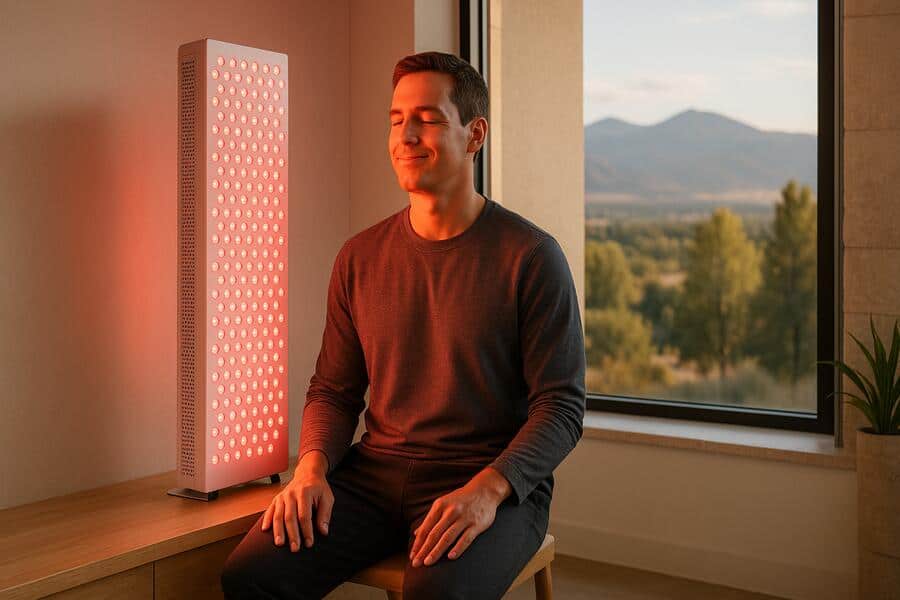
In recent years, red light therapy (RLT) has emerged from the shadows of niche wellness into mainstream discussions about health and vitality. But beyond the buzz, what exactly are the tangible red light therapy benefits, and how do they actually work? Put simply, RLT uses specific wavelengths of red and near-infrared light to penetrate the skin and stimulate cellular activity.
Unlike UV light, which can be harmful, red light therapy is known for its gentle, non-invasive approach to supporting various bodily functions, from skin rejuvenation to muscle recovery and even hair growth. Many are exploring how this innovative approach can contribute to overall well-being and you can find out more about its applications and benefits.
How Red Light Therapy Works and What It Does for You
Energizing Your Cells from Within
At the core of red light therapy’s effectiveness is its ability to interact with the mitochondria within your cells. Often called the “powerhouses” of the cell, mitochondria are responsible for producing adenosine triphosphate (ATP), the primary energy currency of the body. When red and near-infrared light hits the skin, it’s absorbed by the mitochondria, stimulating increased ATP production. This cellular energy boost then enhances various metabolic processes, leading to improved cell function and more efficient repair mechanisms throughout the body.
This fundamental interaction means that RLT isn’t just treating symptoms on the surface; it’s working to optimize your body’s natural restorative capabilities at a microscopic level. It’s a bit like giving your cells a concentrated dose of sunshine, without the harmful UV rays, to kickstart their performance.
💡 Key Takeaway: Red light therapy works by stimulating mitochondria in your cells, increasing ATP production, and boosting cellular energy for improved function and repair.
Revitalizing Skin and Boosting Collagen
One of the most widely recognized red light therapy benefits is its profound impact on skin health. RLT encourages the production of collagen and elastin, two vital proteins responsible for skin elasticity, firmness, and overall youthful appearance. This increase in collagen can lead to a visible reduction in fine lines and wrinkles, improved skin complexion, and a smoother texture.
Beyond anti-aging, RLT also plays a significant role in skin healing. It can accelerate wound recovery, diminish redness, and even help lighten dark spots. For those dealing with various skin concerns, consistent sessions can contribute to healthier, more radiant skin by fostering cellular regeneration and reducing inflammation.
| Skin Benefit | How RLT Helps |
|---|---|
| Fine Lines & Wrinkles | Boosts collagen and elastin production. |
| Skin Texture & Complexion | Promotes cell turnover, reduces roughness. |
| Wound Healing | Accelerates cellular repair and reduces inflammation. |
| Redness & Dark Spots | Diminishes inflammation and encourages even skin tone. |
Supporting Muscle Recovery and Reducing Discomfort
For active individuals or anyone experiencing muscle soreness and joint discomfort, red light therapy offers compelling benefits. The light’s ability to reduce inflammation is key here. By calming inflammatory responses at the cellular level, RLT can significantly alleviate pain in tissues and muscles. This makes it a valuable tool for post-workout recovery, helping to speed up muscle repair and reduce downtime.
Furthermore, red light therapy has been shown to improve circulation. Better blood flow to affected areas means more oxygen and nutrients reach damaged tissues, aiding in their natural healing process. This can be particularly helpful for chronic conditions like knee osteoarthritis, where reducing pain and improving mobility are primary goals.
💡 Key Takeaway: RLT reduces inflammation and improves circulation, making it effective for muscle recovery, alleviating soreness, and supporting joint comfort.
Promoting Healthy Hair Growth
For those struggling with thinning hair or certain types of hair loss, red light therapy offers a promising, non-invasive option. Research indicates that red light can stimulate hair follicle growth, encouraging dormant follicles to become active and existing ones to produce thicker, healthier strands. It works by increasing blood flow to the scalp and energizing the cells within the hair follicles.
This stimulation can be particularly beneficial for conditions like androgenetic alopecia, commonly known as male or female pattern baldness. By reducing inflammation in the scalp and promoting a healthier environment for hair growth, RLT helps to support fuller, denser hair over time.
What to Expect and Safety Considerations
A typical red light therapy session involves sitting or lying near a device that emits red and near-infrared light. The sessions are generally comfortable and relaxing, lasting anywhere from 10 to 20 minutes, depending on the specific device and treatment goals. Many modern RLT devices are FDA-cleared, meaning they have demonstrated a low risk to public health. It’s crucial to understand that RLT uses therapeutic light, not ultraviolet (UV) light, so there’s no risk of sun damage or associated cancer concerns.
While the range of claimed benefits for red light therapy is vast, the scientific community continues to explore and validate its efficacy for various conditions. However, the established benefits for skin health, muscle recovery, pain relief, and hair growth are increasingly supported by robust research.
💡 Key Takeaway: RLT sessions are safe, comfortable, and non-invasive, with established benefits for various conditions, distinct from harmful UV light.
The multifaceted red light therapy benefits stem from its ability to enhance cellular function at a fundamental level. Whether you’re seeking to rejuvenate your skin, accelerate muscle recovery, reduce discomfort, or stimulate hair growth, RLT presents a compelling option. Understanding how this therapy works allows you to make informed choices about incorporating it into your wellness routine, potentially leading to noticeable improvements in overall vitality and well-being.
Have questions about professional concrete cleaning in Phoenix? Give us a call today.
Frequently Asked Questions About Red Light Therapy
How long does it take to see results from red light therapy?
The timeline for seeing results can vary widely depending on the individual, the condition being treated, and the consistency of use. For skin improvements, some might notice subtle changes within a few weeks, while more significant results for anti-aging or hair growth can take several months of regular sessions.
Is red light therapy safe for everyone?
Red light therapy is generally considered safe for most people when used as directed. It does not use UV light and is non-invasive. However, it’s always advisable to consult with a healthcare professional, especially if you have pre-existing medical conditions, are pregnant, or are taking medications that might increase light sensitivity.
What’s the difference between red light therapy and infrared therapy?
Both red light and near-infrared light are often used together in RLT devices. Red light is visible and penetrates the skin at a shallower depth, making it excellent for surface-level skin concerns. Near-infrared light is invisible to the human eye and penetrates deeper into tissues, making it more effective for muscle recovery, joint pain, and deeper cellular processes.
Can red light therapy help with pain relief?
Yes, red light therapy has shown promise in reducing various types of pain. By decreasing inflammation and promoting circulation, it can help alleviate discomfort from muscle soreness, joint pain, and even some chronic conditions like osteoarthritis. The increased cellular energy also contributes to the body’s natural healing and pain management mechanisms.


