
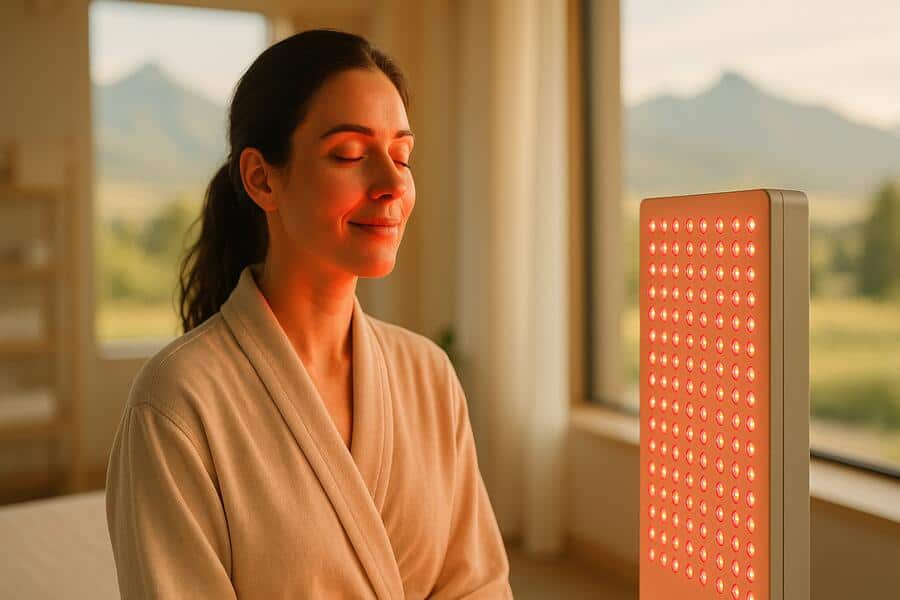
In the landscape of modern wellness and aesthetic treatments, red light therapy (RLT) has emerged from niche applications to widespread recognition. Often appearing as a gentle, warm glow, this non-invasive treatment leverages specific wavelengths of light to stimulate cellular processes within the body. While initial perceptions might place it among trendy, unproven fads, a growing body of scientific research, known formally as photobiomodulation (PBM), supports its efficacy across various applications. For those seeking natural and effective ways to enhance skin health, aid recovery, or manage certain types of discomfort, understanding the true potential of RLT is essential.
This guide aims to demystify red light therapy, providing a clear and practical overview of its mechanisms, proven benefits, and how to effectively incorporate it into your routine. We’ll cut through the hype to focus on what the science tells us, helping you make informed decisions for your wellness journey.
Understanding Red Light Therapy (Photobiomodulation)
What is Red Light Therapy?
Red light therapy, scientifically termed photobiomodulation (PBM), involves exposing the body to specific wavelengths of red and near-infrared (NIR) light. These wavelengths, typically between 600-900 nanometers, are absorbed by the mitochondria within our cells. This absorption triggers a series of biochemical reactions, leading to increased cellular energy production (ATP), reduced oxidative stress, and activation of various signaling pathways that promote healing and regeneration.
Unlike other light-based treatments, RLT is non-thermal, meaning it doesn’t cause heat damage to tissues. It focuses on gentle stimulation, providing cellular benefits without adverse effects commonly associated with other forms of light exposure, such as UV Light Therapy. The distinction is crucial: RLT aims to heal and rejuvenate, while UV light, for example, is primarily used for different therapeutic or cosmetic purposes with distinct mechanisms and considerations.
💡 Key Takeaway: Red light therapy (photobiomodulation) uses specific red and near-infrared wavelengths to stimulate cellular energy and regeneration without generating heat, distinguishing it from other light therapies.
Science-Backed Benefits of RLT
Research into red light therapy has identified several key areas where it demonstrates significant therapeutic potential:
- Skin Rejuvenation and Anti-Aging: RLT boosts collagen and elastin production, leading to improved skin elasticity, reduced fine lines and wrinkles, and a more even skin tone. It also aids in reducing the appearance of scars and hyperpigmentation.
- Wound Healing and Tissue Repair: By accelerating cellular repair and reducing inflammation, RLT can speed up the healing process for various wounds, including cuts, burns, and post-surgical incisions.
- Pain Management and Inflammation Reduction: It has shown promise in alleviating chronic and acute pain by reducing inflammation and promoting tissue repair. This includes conditions like arthritis, muscle soreness, and neuropathic pain.
- Muscle Recovery and Performance: Athletes often use RLT to reduce delayed onset muscle soreness (DOMS), accelerate muscle repair, and enhance overall athletic performance by improving cellular function and reducing recovery time.
- Hair Growth: RLT can stimulate hair follicles, promoting hair growth and increasing hair density in individuals experiencing certain types of hair loss.
These benefits are rooted in RLT’s ability to positively influence cellular health, making it a versatile tool in both aesthetic and therapeutic applications.
Integrating RLT into Your Wellness Routine
Incorporating red light therapy into your lifestyle is relatively straightforward, whether through professional treatments or at-home devices. Consistency is key to achieving optimal results.
Professional Treatments
Many wellness centers and med-spas offer professional RLT sessions using powerful, clinical-grade devices. These sessions typically involve lying or sitting near a large panel for 10-20 minutes. A professional setting ensures proper device calibration, optimal light exposure, and often includes guidance on complementary treatments.
At-Home Devices
For convenience, a range of at-home RLT devices are available, from handheld wands to full-body panels. When choosing an at-home device, consider:
- Wavelengths: Ensure it emits both red (around 660nm) and near-infrared (around 850nm) light for comprehensive benefits.
- Irradiance: This measures light output and is crucial for effectiveness. Higher irradiance means shorter treatment times.
- Coverage Area: Choose a device appropriate for the area you wish to treat (e.g., small panel for face, larger panel for body).
| Aspect | Recommendation for Optimal Results |
|---|---|
| Session Frequency | 3-5 times per week for general skin health and anti-aging. |
| Session Duration | Typically 10-20 minutes per targeted area. |
| Visible Results Timeline | Weeks to months of consistent use, not immediate. |
| Consistency | More important than intensity or sporadic high-dose treatments. |
Safety and Considerations
Red light therapy is generally considered safe for most people, with a very low risk of side effects when used correctly. It is non-invasive and does not use harmful UV rays. However, there are a few considerations:
- Eye Protection: While red light is generally safe for the eyes, bright light can be uncomfortable. It’s advisable to close your eyes or use protective eyewear during facial treatments, especially with high-powered devices.
- Medications: If you are taking photosensitizing medications, consult with a healthcare professional before using RLT, as these can increase sensitivity to light.
- Existing Conditions: Individuals with certain medical conditions, such as active skin cancer or specific eye conditions, should also seek medical advice before beginning RLT.
- Device Quality: Ensure any device, particularly at-home units, comes from a reputable manufacturer and adheres to safety standards.
Always follow the manufacturer’s instructions for any RLT device to ensure safe and effective use. Starting with shorter sessions and gradually increasing duration can help your skin adapt.
💡 Key Takeaway: RLT is largely safe, but proper eye protection and consulting a professional if on photosensitizing medication or with certain health conditions are recommended. Consistency and adherence to device instructions are paramount for safe and effective use.
Conclusion
Red light therapy, or photobiomodulation, is a well-researched and increasingly accessible modality that offers a range of benefits for skin health, pain relief, and recovery. By gently stimulating cellular processes, RLT provides a non-invasive pathway to improved well-being, without the harshness or downtime associated with more aggressive treatments. Whether you opt for professional sessions or integrate an at-home device into your routine, understanding the science and practical application of red light therapy empowers you to harness its therapeutic potential effectively and safely for a healthier, more vibrant you.
Have questions about professional concrete cleaning in Phoenix? Give us a call today.
Frequently Asked Questions About Red Light Therapy
Is red light therapy safe for all skin types?
Yes, red light therapy is generally safe for all skin types and tones. Unlike UV light, it does not cause sun damage or hyperpigmentation. It’s gentle and non-ablative, meaning it doesn’t harm the skin’s surface.
How long does it take to see results from red light therapy?
Results vary depending on the individual and the condition being treated, but most people begin to notice improvements in skin texture, tone, or pain reduction after 4-12 weeks of consistent use (3-5 times per week). Deeper issues may take longer.
Can red light therapy help with acne?
Yes, red light therapy can be beneficial for acne. It helps reduce inflammation, promotes healing, and can improve overall skin clarity. Often, it’s combined with blue light therapy for a more comprehensive acne treatment approach.
Do I need to wear eye protection during red light therapy?
While red and near-infrared light is generally considered safe for eyes, the intensity of some devices can be uncomfortable. It’s usually recommended to close your eyes or use provided protective eyewear, especially during facial treatments, to prevent discomfort from the bright light.


