
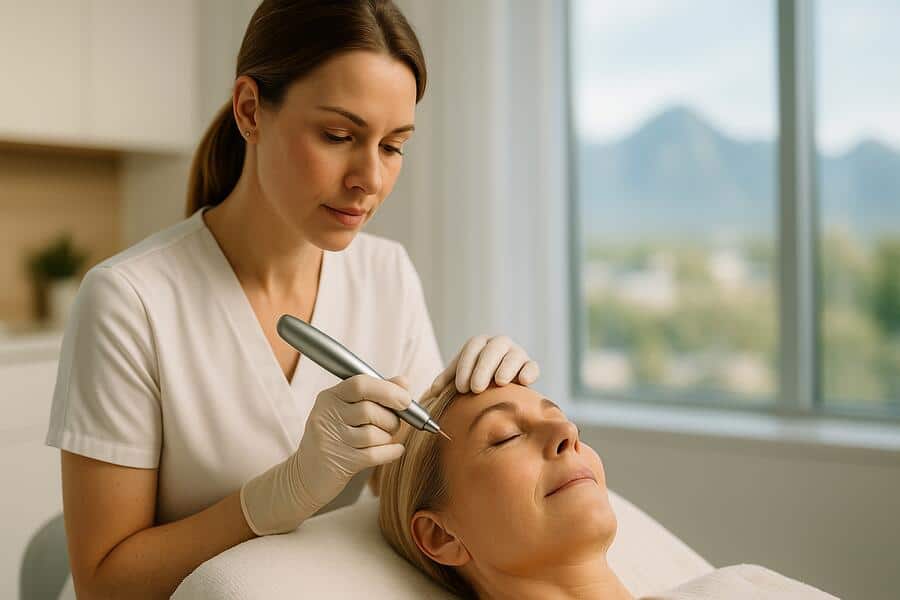
The quest for smoother, firmer, and more youthful-looking skin often leads individuals to explore advanced aesthetic treatments. Among these, plasma pen treatment has gained considerable attention for its ability to address concerns like fine lines, wrinkles, and skin laxity without invasive surgery. Often referred to as fibroblast therapy, this innovative procedure harnesses plasma energy to stimulate natural collagen and elastin production, offering a non-surgical approach to skin rejuvenation.
Understanding the intricacies of plasma pen treatment, including its methodology, associated costs, and realistic outcomes, is crucial for anyone considering this option. It’s a precise technique that requires skilled application, aiming to deliver noticeable improvements in skin texture and tightness. For those looking to achieve a more refined appearance, especially around delicate areas, exploring treatments like fibroblast skin tightening can provide significant benefits.
💡 Key Takeaway: Plasma pen treatment is a non-surgical option for skin tightening and rejuvenation that uses plasma energy to stimulate the skin’s natural healing process, improving texture and firmness.
Understanding Plasma Pen Treatment
What is Plasma Pen Treatment?
Plasma pen treatment utilizes a handheld device to generate a tiny plasma arc, often described as a “flash” of energy. This arc precisely targets the skin’s surface, creating controlled micro-injuries in the epidermis. These micro-injuries, also known as carbon crusts or dots, trigger a natural wound-healing response in the skin. This response involves the contraction of skin fibers, leading to immediate tightening, and the stimulation of fibroblasts – the cells responsible for producing new collagen and elastin.
- Non-Invasive: It’s a non-surgical alternative to procedures like eyelid surgery or facelifts.
- Precise Targeting: The device allows for highly targeted treatment of specific areas, minimizing impact on surrounding skin.
- Natural Stimulation: It relies on the body’s natural healing mechanisms to produce lasting results.
Who is an Ideal Candidate?
Plasma pen treatment is most effective for individuals with mild to moderate skin laxity and concerns such as fine lines, wrinkles, and crepey skin. It’s generally suitable for skin types 1-3 on the Fitzpatrick scale. Those with severe skin sagging or certain skin conditions may not be ideal candidates. A thorough consultation with a qualified practitioner is essential to determine suitability.
Areas Commonly Treated
The versatility of plasma pen treatment allows it to address various areas prone to aging and skin laxity:
- Eyelids: Upper and lower eyelids, targeting hooded lids and undereye bags.
- Around the Mouth: Reducing “smoker’s lines” or perioral wrinkles.
- Neck and Jawline: Tightening loose skin and improving contour.
- Forehead: Minimizing frown lines and forehead wrinkles.
- Abdomen: Improving skin laxity, often post-pregnancy or weight loss.
- Other Body Areas: Can be used on knees, elbows, or other areas with crepey skin.
💡 Key Takeaway: Ideal candidates typically have mild to moderate skin laxity. The treatment is versatile, effectively targeting areas like eyelids, around the mouth, neck, and other body regions.
The Procedure: What to Expect
Understanding the treatment process helps manage expectations and ensures a smoother experience.
Before the Treatment
A consultation is the first step, where your practitioner will assess your skin, discuss your goals, and determine if plasma pen treatment is right for you. They will provide pre-care instructions, which may include avoiding sun exposure, certain skincare products, or medications. On the day of the procedure, a topical numbing cream is applied to the treatment area to minimize discomfort.
During the Treatment
Once the numbing cream has taken effect, the practitioner uses the plasma pen device. They will move the device in a specific pattern, creating small, superficial dots on the skin. You might feel a sensation of heat or a slight stinging, but the numbing cream makes it tolerable. The duration of the treatment depends on the size and number of areas being addressed.
Aftercare and Healing
Immediately after the treatment, small carbon crusts (dots) will be visible on the treated area. Swelling and redness are common and typically subside within a few days. It’s crucial to follow your practitioner’s aftercare instructions diligently, which usually include keeping the area clean and dry, avoiding makeup, and protecting your skin from direct sun exposure. The carbon crusts will naturally shed within 5-10 days, revealing new, tightened skin underneath.
💡 Key Takeaway: The plasma pen procedure involves a consultation, numbing, precise application, and crucial aftercare to support the healing process and optimize results.
Cost Considerations and Investment
The cost of plasma pen treatment can vary significantly based on several factors, reflecting the customized nature of the procedure.
Factors Influencing Plasma Pen Treatment Cost
- Treatment Area Size: Larger or multiple areas will naturally incur higher costs.
- Number of Sessions: While many see results after one session, some may require 1-2 follow-up treatments for optimal outcomes.
- Practitioner’s Experience & Location: Highly experienced practitioners or those in metropolitan areas may charge more.
- Technology Used: The specific plasma pen device and its features can influence pricing.
Typical Cost Ranges by Area
Here’s a general overview of potential cost ranges for plasma pen treatment, though individual pricing will be determined during a consultation:
| Treatment Area | Typical Cost Range (per session) |
|---|---|
| Upper Eyelids | $300 – $700 |
| Lower Eyelids | $250 – $600 |
| Full Eye Area (Upper + Lower) | $500 – $1,100 |
| Upper Lip | $150 – $400 |
| Neck | $500 – $1,500+ |
Expected Outcomes and Results
Patience is key when it comes to observing the full benefits of plasma pen treatment, as the skin’s regeneration process takes time.
Realistic Results Timeline
While some immediate tightening may be visible, the most significant improvements emerge as the skin heals and new collagen is produced. The carbon crusts typically fall off within a week, and initial redness subsides. The true, lasting results usually become apparent around 8-12 weeks post-treatment, with continued improvement for several months as collagen remodeling progresses.
Longevity of Results
The results of plasma pen treatment are considered long-lasting, often extending for several years. This is because the treatment stimulates your body’s natural collagen production. However, it does not stop the natural aging process. Factors like sun exposure, lifestyle, and individual skin characteristics will influence how long the results remain visible.
Have questions about professional concrete cleaning in Phoenix? Give us a call today.
Frequently Asked Questions About Plasma Pen Treatment
Is plasma pen treatment painful?
With the application of a topical numbing cream before the procedure, most clients report minimal discomfort, often describing it as a mild stinging sensation rather than pain.
How many plasma pen sessions are typically needed?
For many individuals, one treatment session is sufficient to achieve desired results. However, depending on the severity of skin laxity and individual response, 1-2 additional sessions might be recommended for optimal outcomes.
What is the downtime after plasma pen treatment?
Downtime primarily involves the presence of tiny carbon crusts (dots) and some swelling/redness for 5-10 days. Clients should avoid sun exposure and adhere to strict aftercare instructions during this period.
Can plasma pen treatment be used on all skin types?
Plasma pen treatment is generally best suited for Fitzpatrick skin types 1-3. For darker skin tones (types 4-6), there is a higher risk of post-inflammatory hyperpigmentation, so a thorough consultation and patch test are crucial to assess suitability.
Plasma pen treatment offers a compelling non-surgical solution for those seeking to tighten and rejuvenate their skin. By understanding the method, managing expectations regarding costs and recovery, and appreciating the gradual but significant outcomes, you can make an informed decision about whether this advanced aesthetic procedure aligns with your goals for a more youthful appearance.


