
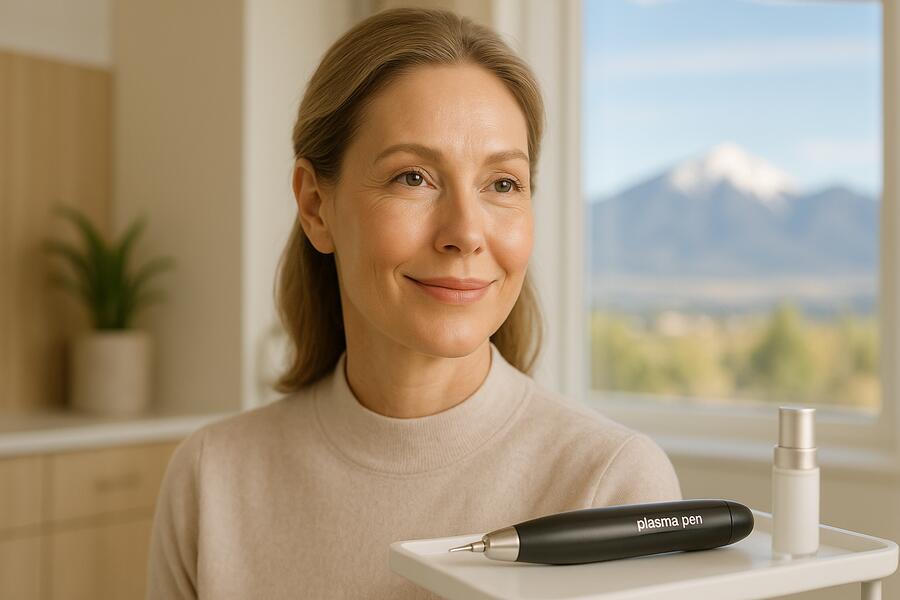
In the evolving landscape of aesthetic treatments, the plasma fibroblast facial has emerged as a compelling option for those seeking non-surgical skin rejuvenation. This innovative procedure offers a way to address common signs of aging like wrinkles, fine lines, and sagging skin without invasive surgery. A plasma fibroblast facial works by harnessing the power of plasma to stimulate your body’s natural healing processes, leading to tighter, smoother, and more youthful-looking skin.
This guide will demystify the plasma fibroblast treatment, explaining how it works, what areas it can effectively treat, and what you can expect before, during, and after your session. Understanding these aspects is key to making an informed decision and achieving optimal results.
💡 Key Takeaway: A plasma fibroblast facial is a non-surgical treatment that utilizes plasma energy to stimulate natural collagen production, effectively tightening skin and reducing visible signs of aging.
Understanding Plasma Fibroblast Technology
How Plasma Fibroblast Works
Plasma fibroblast therapy is a minimally invasive cosmetic procedure that targets the fibroblasts in your skin. Fibroblasts are crucial cells responsible for producing collagen and elastin, the proteins that maintain skin structure and elasticity. As we age, fibroblast activity decreases, leading to wrinkles and sagging.
The treatment uses a pen-like device that delivers controlled bursts of plasma energy to the skin’s surface. This energy creates tiny, superficial micro-injuries in the skin. These micro-injuries trigger a natural wound-healing response, prompting the fibroblasts to produce new collagen and elastin fibers. This process results in skin contraction and tightening over time, significantly improving skin texture and firmness.
The Science Behind the “Plasma Pen”
- Plasma Energy: The device ionizes atmospheric gas to create a small arc of plasma, which never directly touches the skin.
- Sublimation: This plasma energy causes the skin’s superficial cells to turn directly into gas, without burning surrounding tissue, creating a precise “dot.”
- Fibroblast Activation: The controlled micro-damage kickstarts the body’s natural regenerative processes, stimulating the fibroblasts.
- Collagen & Elastin Remodeling: Over weeks and months, new collagen and elastin are produced, leading to tighter, firmer skin.
Key Benefits and Targeted Areas
The precision of plasma fibroblast treatment makes it incredibly versatile, suitable for tightening delicate skin and reducing fine lines in various areas. Its non-surgical nature means less downtime compared to more invasive procedures.
Areas commonly treated with great success include:
- Eyes: Reducing hooded eyelids, crow’s feet, and under-eye bags.
- Forehead: Minimizing frown lines and horizontal forehead wrinkles.
- Mouth & Jawline: Smoothing smoker’s lines, marionette lines, and tightening the jawline.
- Neck: Addressing “turkey neck” and loose neck skin.
- Body: It can also be used on other areas for general skin tightening.
Many individuals seek this treatment as an effective way to achieve noticeable fibroblast skin tightening, often preferring it over surgical alternatives due to its minimal invasiveness and natural-looking results.
💡 Key Takeaway: Plasma fibroblast treatment is highly effective for reducing wrinkles, tightening sagging skin, and improving overall skin texture, particularly in delicate facial areas and for general skin laxity.
Preparing for Your Plasma Fibroblast Treatment
Proper preparation is crucial for a successful plasma fibroblast facial and a smooth recovery. Your practitioner will provide specific instructions tailored to your needs, but generally, there are a few key things to consider.
Pre-Treatment Considerations
Avoiding certain activities and products beforehand can help minimize risks and optimize your results.
| Consideration | Guidance |
|---|---|
| Sun Exposure | Avoid direct sun exposure and tanning for at least 2-4 weeks prior. Sunburnt or tanned skin cannot be treated. |
| Skincare Products | Discontinue use of retinoids, AHAs, BHAs, and other strong exfoliants for 2-4 weeks before treatment. |
| Alcohol/Caffeine | Avoid alcohol and excessive caffeine consumption 24-48 hours before to minimize bruising and swelling. |
| Makeup | Arrive with a clean, makeup-free face. |
What to Expect During and After the Session
Knowing what happens during and after your plasma fibroblast treatment helps manage expectations and ensures you follow aftercare instructions effectively.
During the Session
The procedure typically begins with the application of a topical numbing cream to ensure your comfort. Once the area is numb, the practitioner will use the plasma pen to create a series of tiny carbon dots in a specific pattern on your skin. You might feel a slight warmth or tingling sensation, but it should not be overtly painful due to the numbing cream. The entire process for a facial area can take anywhere from 30 minutes to an hour, depending on the size of the treatment area.
After the Session: Recovery and Aftercare
Immediately after the treatment, you will notice small, brown carbon crusts (the “dots”) on the treated area, along with some redness and swelling. The swelling can be more pronounced around the eyes and may last for a few days. The carbon crusts are a normal part of the healing process and typically fall off naturally within 5-10 days, revealing new, pink skin underneath.
Crucial aftercare includes:
- No picking: Do NOT pick the carbon crusts; let them fall off naturally to prevent scarring and infection.
- Gentle cleansing: Cleanse the area gently with a mild, non-abrasive cleanser.
- Sun protection: Strict sun protection is vital. Use a high SPF sunscreen and wear hats to protect the treated area for several weeks, as the new skin is highly susceptible to hyperpigmentation.
- Avoid makeup: Avoid applying makeup directly over the crusts until they have fallen off.
- Moisturize: Use specific healing balms or moisturizers recommended by your practitioner to aid in recovery.
💡 Key Takeaway: Downtime involves visible carbon crusts and swelling for about 5-10 days. Diligent aftercare, especially sun protection and avoiding picking, is essential for optimal healing and results.
A plasma fibroblast facial offers a promising pathway to skin rejuvenation without the need for surgery. By understanding the process, preparing adequately, and committing to proper aftercare, you can achieve noticeable improvements in skin tightness and overall appearance, embracing a refreshed look with confidence.
Have questions about professional concrete cleaning in Phoenix? Give us a call today.
Frequently Asked Questions About Plasma Fibroblast Facials
How long do the results of a plasma fibroblast facial last?
While results are not entirely permanent as the aging process continues, the positive effects of collagen and elastin production can last for several years, depending on individual skin type, lifestyle, and aftercare. Many notice continued improvements for up to 8 weeks after the treatment.
Is the plasma fibroblast treatment painful?
A topical numbing cream is applied before the procedure to minimize discomfort. Most clients report feeling a mild tingling or warmth during the session, but it is generally well-tolerated. Post-treatment, some soreness and swelling are common, similar to a mild sunburn.
How many sessions are typically needed for a plasma fibroblast facial?
The number of sessions varies based on the individual’s skin condition, the severity of concerns, and desired results. Many individuals achieve significant improvement after just one session, while others may benefit from 2-3 sessions spaced several weeks apart for more dramatic results.
What is the typical downtime after a plasma fibroblast facial?
The most noticeable downtime involves the presence of small carbon crusts and swelling. The swelling usually subsides within 3-5 days, and the crusts typically fall off naturally within 5-10 days. During this period, it’s advised to avoid social events and strenuous activities.


