
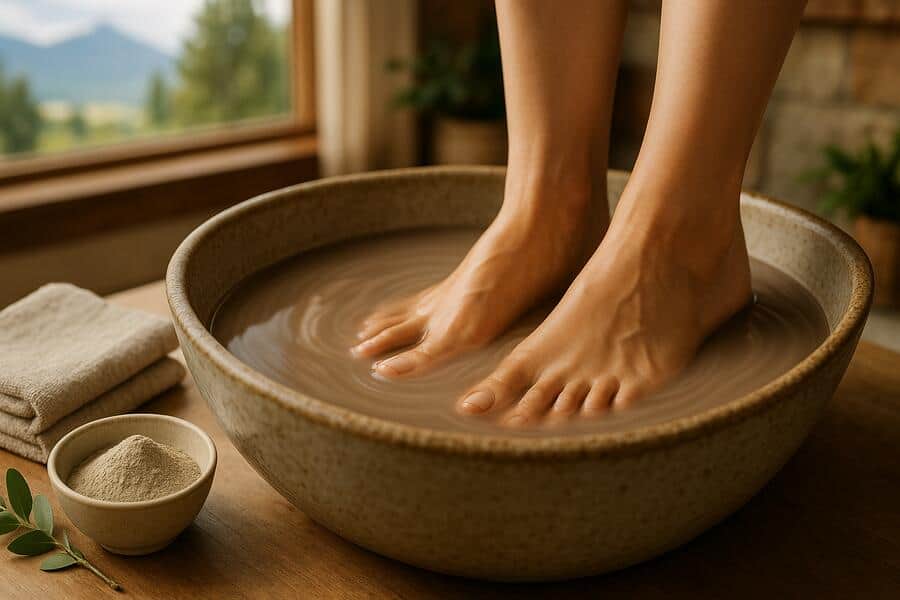
In the realm of holistic wellness, the concept of detoxification often comes to the forefront, with various methods touted for their purported benefits. Among these, the
magnetic clay foot bath
has garnered attention. Proponents suggest it aids in drawing impurities from the body, offering a gentle yet effective way to support overall well-being. While scientific research specifically on “magnetic clay foot baths” as a detox method is limited and largely anecdotal, the practice of foot bathing itself, combined with the properties of certain clays, offers a uniquely relaxing and potentially beneficial experience. This guide will explore the practical aspects of preparing and enjoying such a foot bath, focusing on the sensory and soothing benefits it provides.
The allure of a foot bath goes beyond just cleanliness; it’s about creating a moment of calm and self-care. Incorporating natural elements like bentonite clay can enhance this experience, leaving your feet feeling refreshed and revitalized. For those interested in exploring professional foot treatments and other wellness services, the Lavana Connection offers a range of options designed to promote relaxation and well-being.
💡 Key Takeaway: While scientific evidence for “magnetic clay foot bath” as a detox is limited, the practice of a clay foot bath offers a soothing, refreshing experience that contributes to overall well-being.
Exploring the Magnetic Clay Foot Bath
Understanding the Components: Bentonite Clay and Its Role
The primary ingredient in a magnetic clay foot bath is typically bentonite clay. This natural clay is formed from volcanic ash and is known for its unique absorptive properties. When mixed with water, it creates an electrically charged clay that can swell and act like a sponge. In a foot bath context, this is believed to help cleanse and soothe the skin, leaving a refreshed feeling. It’s important to use high-quality, food-grade bentonite clay for any topical application.
- Adsorptive Quality: Bentonite clay has a negative electrical charge, which is thought to attract positively charged particles (impurities, excess oils) from the skin.
- Soothing Properties: Many find bentonite clay to be gentle and soothing on the skin, making it a popular ingredient in masks and baths.
- Mineral Rich: It contains various minerals, which can contribute to its overall beneficial effects on the skin.
While the term “magnetic” might imply a literal magnetic force, in this context, it often refers to the clay’s drawing and adsorptive qualities rather than an actual magnetic field being applied.
Setting Up Your Magnetic Clay Foot Bath
Creating a soothing magnetic clay foot bath at home is a simple process. Here’s a practical guide to help you set it up:
- Gather Your Supplies: You’ll need a large basin or foot spa, warm water, bentonite clay powder (1-3 cups, adjust for sensitivity), and a towel. Optional additions include essential oils (like lavender for relaxation), Epsom salts, or apple cider vinegar.
- Prepare the Water: Fill your basin with warm water. Aim for a temperature that is comfortable but not scalding (around 100-104°F or 38-40°C). The water level should be sufficient to cover your feet and ankles.
- Mix the Clay: Slowly sprinkle the bentonite clay powder into the warm water, whisking or stirring constantly to prevent clumping. You want a smooth, consistent mixture. If using other ingredients like Epsom salts, add them now as well.
- Immerse Your Feet: Once the clay is fully dispersed, gently place your feet into the bath. Ensure they are fully submerged.
- Relax and Soak: Soak your feet for 15-30 minutes. This is your time to unwind. You might notice the water changing color, which is often attributed to the clay’s interaction with the water and skin, rather than directly “toxins” being pulled out.
- Rinse and Moisturize: After your soak, thoroughly rinse your feet with clean water to remove all clay residue. Gently pat them dry and apply a nourishing moisturizer to keep the skin hydrated.
For best results and to maximize the relaxing benefits, consider making this a regular part of your self-care routine, perhaps once a week or as needed.
💡 Key Takeaway: A magnetic clay foot bath involves soaking your feet in warm water mixed with bentonite clay, offering a simple and relaxing way to refresh and soothe tired feet.
Expected Experience and Benefits
While the “detox” claims associated with ionic foot baths and some clay baths lack strong scientific backing, the experience of a magnetic clay foot bath can still offer several valuable benefits:
- Relaxation and Stress Relief: Soaking your feet in warm water is inherently calming and can help reduce stress, especially after a long day. Adding clay can enhance the ritual of self-care.
- Softening of Skin: The warm water and clay can help soften rough skin on the feet, making them feel smoother and more supple.
- Improved Circulation: Warm foot baths have been shown to temporarily improve peripheral circulation, which can be beneficial for tired or achy feet.
- Sensory Enhancement: The unique texture of the clay water and the optional addition of essential oils create a pleasant sensory experience that contributes to overall well-being.
- Relief for Tired Feet: For those on their feet all day, a foot bath can provide a much-needed respite, easing muscle tension and discomfort.
| Benefit Category | Specific Advantage |
|---|---|
| Physical Comfort | Soothes sore muscles, softens skin, temporarily boosts circulation |
| Mental Well-being | Promotes relaxation, reduces stress, aids in unwinding after busy periods |
| Skin Health | Helps cleanse surface impurities, exfoliates gently, leaves feet feeling refreshed |
Important Considerations and Best Practices
To ensure a safe and enjoyable experience, keep the following in mind when using a magnetic clay foot bath:
- Hydration: Drink plenty of water before and after your foot bath, as warm water can be dehydrating.
- Water Temperature: Ensure the water is comfortably warm, not hot, to avoid burns or discomfort, especially if you have sensitive skin or circulatory issues.
- Cleanliness: Always use a clean basin and fresh water for each bath. Thoroughly rinse your feet and the basin afterward.
- Allergies/Sensitivity: If you have sensitive skin or known allergies to clays or minerals, do a patch test first. Start with a smaller amount of clay if unsure.
- Consult Your Doctor: If you have any underlying health conditions, particularly circulatory problems, diabetes, or open wounds on your feet, consult your healthcare provider before using a foot bath.
- Manage Expectations: Approach the foot bath as a relaxing, skin-soothing ritual rather than a medical detox. Enjoy the process and the feeling of refreshed feet.
💡 Key Takeaway: For a safe and beneficial experience, prioritize proper hydration, moderate water temperature, cleanliness, and manage expectations regarding the foot bath’s effects.
A magnetic clay foot bath offers a simple, accessible way to incorporate self-care into your routine. While debates around “detox” claims continue, the undeniable benefits of warmth, relaxation, and skin soothing make it a worthwhile practice for anyone seeking a moment of peace and refreshed feet. By following a practical guide, you can create a calming sanctuary right in your own home, supporting your well-being one soak at a time.
Have questions about professional concrete cleaning in Phoenix? Give us a call today.
Frequently Asked Questions
What type of clay is best for a foot bath?
Bentonite clay is the most commonly recommended type of clay for foot baths due to its strong adsorptive properties and gentle nature on the skin. Other clays like Rhassoul or Kaolin can also be used, but bentonite is favored for its “drawing” qualities.
How often should I do a clay foot bath?
For general relaxation and foot soothing, once a week is a good starting point. If you have specific skin concerns or particularly tired feet, you might do it more frequently, but always listen to your body and adjust as needed.
Can I add other ingredients to my clay foot bath?
Yes, many people enhance their clay foot baths with additions like Epsom salts (for muscle relaxation), essential oils (e.g., lavender, peppermint for aromatherapy), or a splash of apple cider vinegar (for its acidic properties on skin). Always ensure essential oils are properly diluted and suitable for skin contact.
What causes the water to change color during a foot bath?
The color change in the water during a foot bath, particularly with ionic foot baths or those containing clay, is often attributed to several factors: the interaction of minerals in the water with the clay or device’s electrodes, impurities on the feet, and even the natural oxidation of the clay itself. It is not scientifically proven to be toxins leaving the body.


