
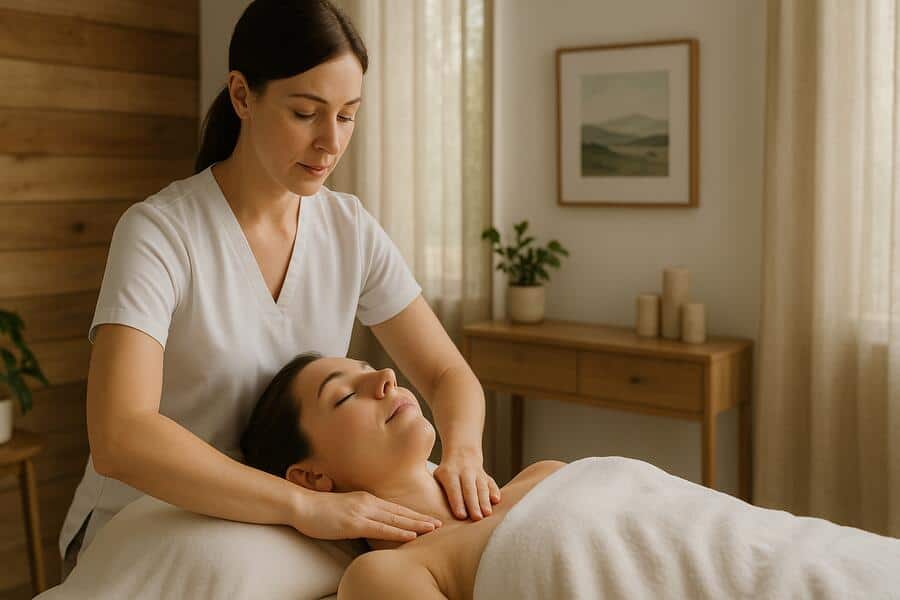
The increasing focus on holistic wellness has brought various therapeutic practices into the spotlight, and lymphatic drainage massage is one such technique gaining significant traction. Many seek out this specialized massage for its potential to support the body’s natural detoxification processes and reduce swelling.
However, the effectiveness and safety of lymphatic drainage heavily rely on the expertise of the individual performing it. Understanding what a qualified lymphatic drainage massage therapist does, and how to find one, is crucial for anyone considering this gentle yet powerful therapy. This guide aims to provide a practical overview, helping you navigate the landscape of this specialized wellness service.
The Role of a Qualified Lymphatic Drainage Massage Therapist
Understanding the Lymphatic System and Its Importance
Before diving into the specifics of the massage, it’s essential to grasp the basics of the lymphatic system. This often-overlooked network of vessels, nodes, and organs is a critical part of your immune system, responsible for collecting and filtering lymph fluid—a clear, watery substance containing waste products, toxins, and immune cells—and returning it to the bloodstream. It plays a vital role in maintaining fluid balance, absorbing fats from the digestive tract, and defending the body against infections.
When the lymphatic system isn’t functioning optimally, fluid can accumulate, leading to swelling (edema), a feeling of heaviness, and potentially weakened immunity. This can happen due to various reasons, including surgery, injury, certain medical conditions, or even prolonged inactivity.
💡 Key Takeaway: The lymphatic system is crucial for fluid balance, waste removal, and immune function. A sluggish system can lead to swelling and other health concerns.
What a Lymphatic Drainage Massage Entails
Unlike traditional deep tissue massage, lymphatic drainage massage (MLD) is characterized by very light, rhythmic, and gentle strokes. The pressure applied is minimal, designed to stimulate the lymphatic vessels just beneath the skin without compressing them, which could impede fluid flow. The specific movements follow the natural pathways of the lymphatic system, directing excess fluid towards lymph nodes where it can be filtered and processed.
A typical session might involve a sequence of sweeping, circling, and pumping motions applied to different areas of the body, starting with the regions closest to major lymph nodes (like the neck and armpits) and moving outwards. The goal is to encourage the natural movement of lymph, clearing blockages and reducing fluid buildup. The experience is often deeply relaxing due to the gentle nature of the touch.
Manual Lymphatic Drainage vs. Other Massage Types
| Feature | Manual Lymphatic Drainage (MLD) | Traditional Deep Tissue/Swedish Massage |
|---|---|---|
| Pressure | Very light, skin-level, superficial | Moderate to firm, targets muscle tissue |
| Purpose | Stimulate lymph flow, reduce swelling, detoxify | Relieve muscle tension, improve circulation, relaxation |
| Technique | Rhythmic, circular, sweeping motions; specific pathways | Kneading, long strokes, friction; general muscle groups |
| Sensation | Gentle, relaxing, often barely felt beneath skin surface | Ranges from relaxing to intense; may feel deep pressure |
💡 Key Takeaway: MLD is a gentle, specialized technique focusing on stimulating lymphatic flow, distinct from typical muscle-focused massages.
Proven Benefits and Common Misconceptions
When performed by a trained lymphatic drainage massage therapist, MLD offers several well-documented benefits. It is particularly effective for:
- Lymphedema: A chronic condition causing fluid retention, typically in the arms or legs, often post-surgery (e.g., after lymph node removal for cancer). MLD is a cornerstone of lymphedema management.
- Post-Surgical Swelling: Accelerates healing and reduces edema after procedures like cosmetic surgery or joint replacements, helping to flush out inflammatory byproducts.
- General Fluid Retention: Can help reduce temporary swelling due to injury, long flights, or hormonal changes.
- Immune Support: By promoting healthy lymph flow, it can enhance the immune system’s ability to respond to pathogens.
- Detoxification: Supports the body’s natural processes for eliminating metabolic waste and toxins.
- Relaxation: The gentle, rhythmic nature of the massage can induce a state of deep relaxation and stress reduction.
However, it’s equally important to address common misconceptions. While influencers might claim lymphatic drainage leads to significant weight loss or permanently eliminates cellulite, this is not scientifically supported. Cellulite is often fluid retention within fat cells, so MLD can temporarily smooth the appearance, but it won’t affect body weight as measured on a scale or provide a permanent solution for cellulite. A healthy lymphatic system generally doesn’t require constant intervention unless there’s an underlying issue. For those looking to explore how this specialized treatment can support their wellness journey, a visit to Lavana Connection provides comprehensive information and professional guidance.
💡 Key Takeaway: MLD is highly beneficial for lymphedema, post-surgical recovery, and fluid retention, but it is not a direct weight loss solution.
Selecting the Right Professional
Given the specialized nature of lymphatic drainage massage, choosing a qualified and experienced therapist is paramount. Not all massage therapists are trained in MLD, and improper technique can be ineffective or even harmful. Here’s what to look for:
- Specialized Certification: A reputable lymphatic drainage massage therapist should hold specific certification in Manual Lymphatic Drainage (MLD) from a recognized institution. This ensures they have undergone rigorous training in the anatomy and physiology of the lymphatic system and mastered the precise techniques.
- Experience: Ask about their experience, particularly with your specific concerns (e.g., post-surgical recovery, lymphedema management).
- Client Consultation: A good therapist will conduct a thorough initial consultation, discussing your health history, symptoms, and goals to determine if MLD is appropriate for you. They should also be able to explain the procedure clearly.
- Professionalism: Look for a practitioner who maintains a clean, professional environment and communicates effectively, answering any questions you may have about the treatment process.
Do not hesitate to ask about their qualifications and approach. Your comfort and safety are the top priority when seeking any therapeutic treatment.
💡 Key Takeaway: Always prioritize a lymphatic drainage massage therapist with specialized MLD certification and a strong understanding of lymphatic system physiology.
Conclusion
Lymphatic drainage massage, when performed by a skilled and certified therapist, is a valuable therapeutic tool for managing various conditions involving fluid retention and supporting overall wellness. It’s a testament to the body’s intricate design and the power of specialized, gentle care. Understanding its true benefits and choosing the right professional ensures you receive the most effective and safe treatment for your specific needs, fostering recovery and promoting a healthier, more balanced you.
Have questions about lymphatic drainage massage or if it’s right for you? Give us a call today.
Frequently Asked Questions About Lymphatic Drainage Massage
How often should I get lymphatic drainage massage?
The frequency of sessions depends on your specific condition and goals. For conditions like lymphedema or post-surgical recovery, more frequent initial sessions may be recommended, tapering off as improvement is seen. For general wellness or occasional fluid retention, less frequent sessions might suffice. Your therapist will provide a personalized recommendation during your consultation.
Is lymphatic drainage massage painful?
No, lymphatic drainage massage should not be painful. It involves very light, gentle pressure, often described as a soft, rhythmic stroking. If you experience pain or discomfort, you should immediately inform your therapist, as the technique might not be performed correctly or it could indicate an underlying issue.
What should I expect during a lymphatic drainage session?
A session typically lasts between 60 to 90 minutes. You will lie on a massage table, and the therapist will use their hands to perform gentle, precise movements on various parts of your body, usually starting from areas with major lymph nodes. Many clients find the experience deeply relaxing, often falling asleep. You may feel a slight urge to urinate more frequently afterward, which is a sign of increased lymphatic activity.
Are there any contraindications for lymphatic drainage massage?
Yes, there are certain conditions where MLD is not recommended. These include acute infections, congestive heart failure, untreated malignant tumors, acute thrombosis, and kidney problems. It’s crucial to disclose your full medical history to your therapist during the initial consultation to ensure MLD is safe and appropriate for you.


