
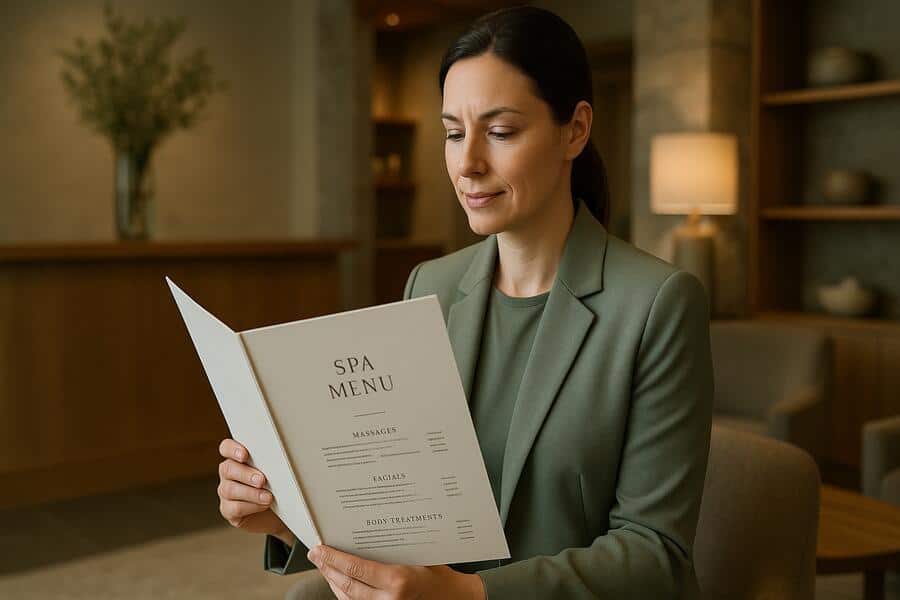
Stepping into a spa should be an experience of relaxation and rejuvenation, not confusion. Yet, for many, the spa menu itself can be a source of bewilderment. A well-crafted menu is designed to inform and entice, but deciphering the jargon, understanding service durations, and comparing treatment options requires a bit of savvy. Learning how to read a spa menu like a pro empowers you to make informed choices that align with your wellness goals and maximize your experience.
This guide will equip you with the knowledge to navigate any spa menu with confidence. We’ll break down common sections, explain what to look for, and help you identify the best treatments for your specific needs, ensuring your visit is truly tailored and transformative.
Deciphering the Spa Menu: Your Guide to a Personalized Experience
Understanding Service Categories
The first step to effectively reading a spa menu is to understand how services are typically categorized. Most spas organize their offerings into logical groups, making it easier to find what you’re looking for. Common categories include:
- Massage Therapies: This section usually lists various massage techniques, such as Swedish, deep tissue, hot stone, prenatal, and often includes their duration and focus. Look for descriptions that explain the pressure level and specific benefits.
- Facial Treatments: Here, you’ll find options tailored to different skin types and concerns, from hydrating and anti-aging to clarifying and sensitive skin facials. Pay attention to the active ingredients and the target concerns.
- Body Treatments: This category often features scrubs, wraps, and detoxifying therapies. These are designed to exfoliate, nourish, or purify the skin and body.
- Nail Services: Manicures and pedicures, often with various upgrade options like gel polish or extended massage, are grouped here.
- Waxing & Hair Removal: Specific areas for hair removal are listed with corresponding prices.
- Enhancements & Add-ons: These are usually shorter, supplementary services that can be added to a primary treatment, such as a scalp massage, foot scrub, or aromatherapy upgrade.
💡 Key Takeaway: Familiarize yourself with the common categories. This helps you quickly zero in on the types of services that interest you most and saves time sifting through irrelevant options.
Decoding Service Descriptions and Benefits
Beyond the names, the detailed descriptions are where you truly understand what each service entails. A professional spa menu won’t just list ingredients or techniques; it will highlight the benefits you can expect. When you visit a Missoula wellness spa, you’ll find that these descriptions are designed to paint a picture of the experience and its outcomes.
- Focus on Benefits: Instead of just “Eucalyptus Scrub,” look for “Eucalyptus purifying scrub to detoxify the skin and invigorate the senses.” Understand what problem the treatment solves or what feeling it evokes. Are you seeking relaxation, pain relief, glowing skin, or stress reduction?
- Key Ingredients/Techniques: Note any specific ingredients (e.g., hyaluronic acid, essential oils) or techniques (e.g., lymphatic drainage, reflexology) mentioned. Researching these beforehand can help you determine if they align with your preferences or any sensitivities you may have.
- Duration and Steps: The description often outlines the duration and sometimes the general flow of the treatment. For example, a facial description might mention cleansing, exfoliation, mask, and moisturizer. This helps you manage expectations.
Example of a Benefit-Focused Description:
| Service Name | Generic Description | Benefit-Focused Description (Pro Level) |
|---|---|---|
| Deep Tissue Massage | Massage for muscle knots. | Targets chronic muscle tension and adhesions, utilizing firm pressure to alleviate deep-seated aches and restore range of motion, leaving you feeling profoundly released and revitalized. |
| Hydrating Facial | Facial with hydrating products. | Quench thirsty skin with our intensive hydrating facial, designed to infuse vital moisture, plump fine lines, and restore a dewy, radiant complexion, perfect for dry or dull skin types. |
💡 Key Takeaway: Look beyond the surface. A good description will tell you not just what is done, but what positive outcome you can expect from the treatment.
Navigating Pricing and Duration
Transparent pricing and clear duration indications are hallmarks of a reputable spa. Understanding these elements is essential for budgeting and scheduling.
- Service Price: Prices should be clearly listed next to each service. Be aware if taxes or gratuity are included or additional. If you’re unsure, don’t hesitate to ask.
- Duration: Most treatments will list their total time (e.g., 60 minutes, 90 minutes). Factor in arrival and departure time when planning your visit; it’s always good to arrive 15-30 minutes early to enjoy the amenities and relax.
- Packages and Series: Many spas offer packages that combine multiple services (e.g., a massage and facial) or series of treatments at a reduced rate. If you plan on frequent visits or multiple services, these can offer significant value.
💡 Key Takeaway: Always check both the price and the duration. Don’t be afraid to inquire about packages or series if you anticipate multiple visits or want to combine services.
Considering Add-ons and Enhancements
Add-ons and enhancements are smaller services designed to complement your main treatment, often adding extra value or addressing a specific, minor concern. These are usually listed separately, either at the end of the menu or adjacent to the primary service they pair with.
- Strategic Placement: Notice where add-ons are located. A well-designed menu will often suggest them as natural completions of an experience, rather than just optional extras. For example, a foot scrub might be listed as an enhancement to a massage.
- Value vs. Cost: Evaluate if the additional benefit of an enhancement justifies its extra cost. Sometimes a small upgrade, like an aromatherapy oil, can significantly enhance your overall experience.
- Personalization: Add-ons are excellent for personalizing a standard treatment. If you have a particular concern (e.g., dry hands, tired eyes), an enhancement might be the perfect solution without needing a full, separate treatment.
By taking the time to thoroughly review these aspects of a spa menu, you move beyond simply picking a service to curating a truly personalized wellness journey. Your understanding allows you to communicate more effectively with spa staff and therapists, ensuring your expectations are met and exceeded.
Have questions about professional concrete cleaning in Phoenix? Give us a call today.
Frequently Asked Questions About Spa Menus
What should I do if I don’t understand a term on the menu?
Never hesitate to ask! Spa staff are there to help clarify any terms, techniques, or ingredients you’re unfamiliar with. It’s better to ask upfront than to book a service you don’t fully understand.
Can I customize treatments not explicitly listed on the menu?
Many spas offer some degree of customization, especially for massages and facials. You might be able to request a specific focus area for a massage or discuss your skin concerns with an esthetician to tailor a facial. It’s always worth asking if adjustments can be made to better suit your needs.
How do I choose the right treatment for my specific needs?
Before looking at the menu, take a moment to assess your goals. Are you looking to relax, relieve muscle tension, improve skin concerns, or detoxify? Once you know your objective, filter the menu by categories and look for benefit-focused descriptions that align with your needs. Don’t be afraid to consult with the spa’s reception or a therapist for recommendations.


