
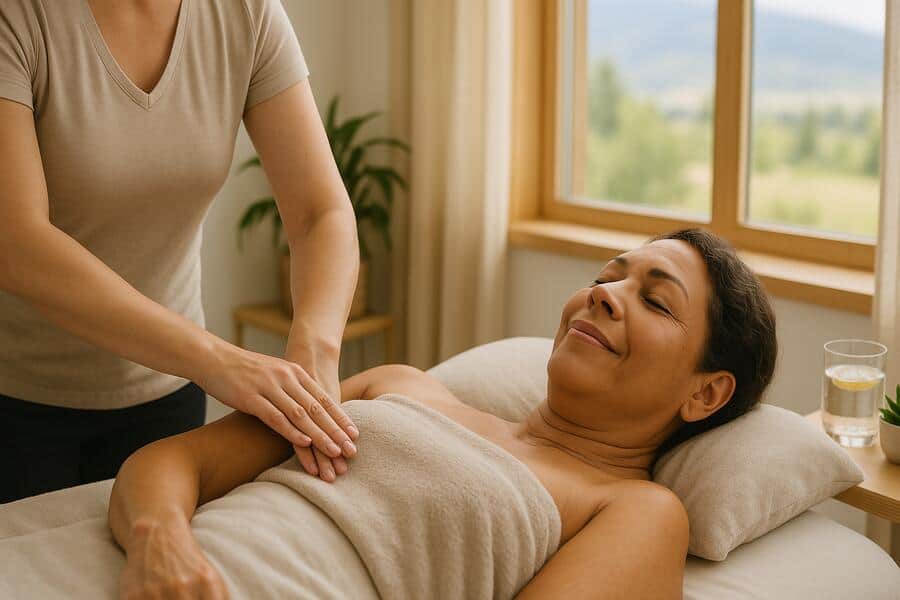
Seeking out lymph drain massage near me can be a significant step towards enhanced wellness, detoxification, and recovery. Whether you’re considering it for post-surgical care, to reduce swelling, or simply to support your immune system, proper planning ensures you get the most out of each session. This guide will help you understand what to expect and how to prepare, transforming your experience from a simple appointment into a vital part of your health regimen.
Understanding Lymphatic Massage
Lymphatic drainage massage is a specialized, gentle technique designed to stimulate the lymphatic system. This system is a crucial part of your immune function and helps your body process waste and excess fluids. When the lymphatic system isn’t functioning optimally, it can lead to swelling, fatigue, and a diminished immune response. A skilled practitioner uses light, rhythmic strokes to encourage lymph fluid to move more effectively, facilitating natural detoxification.
💡 Key Takeaway: Lymphatic massage is a gentle, therapeutic approach that boosts your body’s natural detox processes and immune support by encouraging efficient lymph flow.
What to Expect During a Session
Unlike deep tissue massage, lymphatic massage involves very light pressure. The strokes are typically slow and repetitive, designed to stretch the skin and stimulate the lymphatic vessels just beneath the surface. Sessions can range from 30 to 90 minutes, depending on your individual needs and the areas being treated. You’ll often lie comfortably on a massage table, and the therapist will work on specific areas of your body, always following the natural pathways of your lymphatic system.
Before the session begins, your therapist should conduct a brief consultation to understand your health history and specific concerns. This helps them tailor the treatment to your unique requirements, ensuring a safe and effective experience. Don’t hesitate to communicate any discomfort or questions you might have throughout the process.
Preparing for Your First Appointment
Preparation is key to maximizing the benefits of your lymphatic massage. Arriving prepared helps the therapist focus immediately on your needs and allows your body to be more receptive to the treatment. Here are some simple steps to take before your session:
- Hydrate Well: Drink plenty of water in the 24 hours leading up to your appointment. Proper hydration supports lymphatic fluid movement and aids in flushing out toxins.
- Wear Comfortable Clothing: Loose-fitting, comfortable attire is recommended, as you’ll want to feel relaxed before, during, and after your session.
- Avoid Heavy Meals: Opt for a light meal a few hours before your appointment to avoid discomfort during the massage.
- Shower: A warm shower before your session can help relax your muscles and prepare your skin.
💡 Key Takeaway: Hydrating properly and wearing comfortable clothes can significantly enhance your lymphatic massage experience and its effectiveness.
Selecting the Right Provider
Finding a qualified and experienced therapist is paramount for effective lymphatic drainage massage. Not all massage therapists are trained in this specialized technique. Look for practitioners with specific certifications in Manual Lymphatic Drainage (MLD) or Complete Decongestive Therapy (CDT).
Questions to Ask Your Therapist
- What certifications do you hold in lymphatic drainage?
- How many years of experience do you have with this modality?
- Can you explain your approach to my specific concerns?
- What are your recommendations for post-session care?
Don’t be afraid to ask for a brief consultation to discuss your needs and ensure you feel comfortable with the therapist’s expertise and approach. A good rapport with your practitioner can greatly enhance the therapeutic benefits.
💡 Key Takeaway: Prioritize therapists with specific MLD or CDT certifications and don’t hesitate to ask about their experience and approach.
Post-Session Care and Ongoing Benefits
The benefits of lymphatic massage extend beyond the treatment room, especially with proper post-session care. After your massage, it’s common to feel very relaxed, and sometimes even a little tired. Continue to drink plenty of water to help your body eliminate the released toxins. Some individuals may experience increased urination, which is a normal sign that your lymphatic system is actively working.
Consider incorporating light activity, like a gentle walk, but avoid strenuous exercise immediately after. Listen to your body and allow for adequate rest. For optimal results, especially for conditions like chronic swelling or post-surgical recovery, a series of sessions may be recommended. Your therapist can help you determine the ideal frequency based on your health goals.
| Aspect | Pre-Session Tips | Post-Session Tips |
|---|---|---|
| Hydration | Drink plenty of water | Continue to hydrate consistently |
| Attire | Wear loose, comfortable clothes | Stay in comfortable clothing |
| Activity | Avoid heavy meals right before | Allow for rest, gentle movement okay |
| Mindset | Relax and be open to the process | Observe your body’s response |
💡 Key Takeaway: Ongoing hydration and rest are crucial for maximizing the long-term benefits of lymphatic drainage, supporting your body’s continued healing and detoxification.
Planning for your lymphatic massage involves understanding the process, preparing your body, and choosing a qualified practitioner. By taking these steps, you not only ensure a comfortable and effective session but also pave the way for sustained wellness benefits. It’s an investment in your health that, with proper preparation, yields significant returns.
Have questions about professional concrete cleaning in Phoenix? Give us a call today.
Frequently Asked Questions About Lymphatic Massage
What is the primary benefit of lymphatic massage?
The primary benefit is stimulating your lymphatic system to reduce swelling, promote detoxification, and boost immune function. It helps move excess fluid and waste products out of your tissues.
Is lymphatic massage painful?
No, lymphatic massage is typically very gentle. It uses light, rhythmic strokes designed to stimulate superficial lymphatic vessels, not deep muscle tissue. You should feel relaxed, not pain.
How often should I get lymphatic massage?
The frequency depends on your individual needs and goals. For acute issues like post-surgical swelling, a series of sessions may be recommended close together. For general wellness or chronic conditions, maintenance sessions might be weekly, bi-weekly, or monthly. Your therapist will provide a personalized recommendation.
Are there any contraindications for lymphatic massage?
Yes, there are some conditions where lymphatic massage is not recommended, such as active infections, blood clots, congestive heart failure, or uncontrolled malignant tumors. Always discuss your full medical history with your therapist before beginning treatment to ensure it’s safe for you.


