
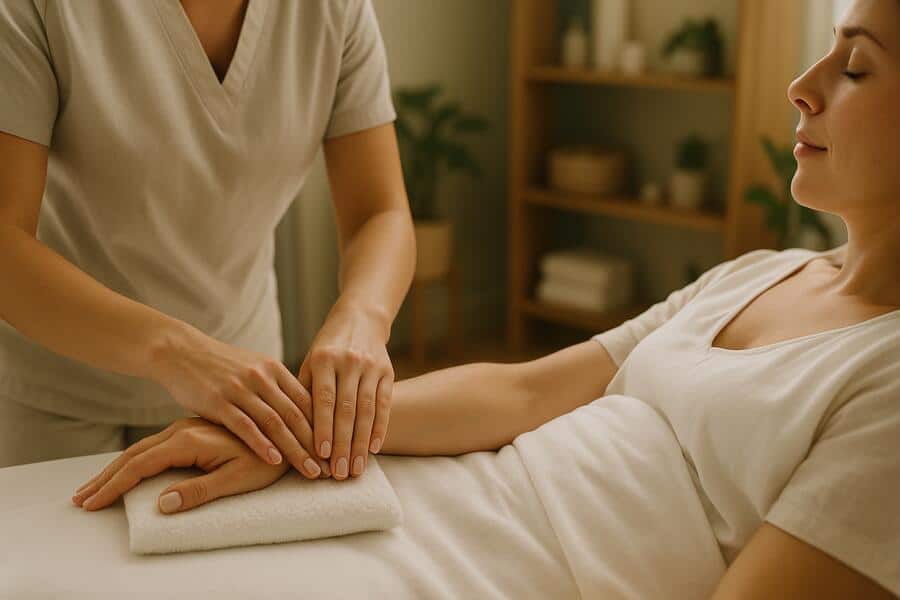
If you’ve been searching for “lymphatic drainage massage near me,” you’re likely interested in its potential benefits for wellness, recovery, or managing specific conditions. This specialized massage technique has garnered significant attention, not just among wellness enthusiasts but also within medical and rehabilitative fields. Understanding what it entails, how it works, and what to realistically expect can help you make informed decisions about whether it’s right for you. We aim to provide a clear, no-nonsense overview of lymphatic drainage massage, cutting through common misconceptions to focus on its practical applications and benefits.
Understanding Lymphatic Drainage Massage
Lymphatic drainage massage is a gentle, rhythmic technique designed to stimulate the flow of lymph fluid, which is crucial for the body’s immune function and waste removal. Unlike a deep tissue massage, it involves very light pressure, mimicking the natural rhythm of the lymphatic system just beneath the skin. This careful approach helps move accumulated fluid towards the lymph nodes, where waste products can be filtered out. For those interested in learning more about the technique and its applications, you can see the full guide.
What is the Lymphatic System?
The lymphatic system is a vital part of your immune system and plays a key role in maintaining fluid balance in the body. It’s a network of vessels, tissues, and organs that carry lymph, a clear fluid containing white blood cells, throughout the body. Its primary functions include:
- Fluid Balance: Collecting excess fluid and proteins from tissues and returning them to the bloodstream.
- Immune Response: Filtering waste products, toxins, and pathogens through lymph nodes and producing immune cells.
- Fat Absorption: Transporting fats from the digestive system.
When the lymphatic system isn’t functioning optimally, fluid can build up, leading to swelling, discomfort, and a compromised immune response. This is where manual lymphatic drainage (MLD) can provide support.
How Lymphatic Drainage Massage Works
A skilled therapist uses specific, light, stretching movements on the skin to encourage lymph fluid to move from congested areas toward healthier lymph vessels and nodes. The pressure is incredibly light, barely more than a feather’s touch, as the lymphatic vessels are located just under the surface of the skin. The goal is not to massage muscles, but to gently guide the lymphatic fluid. This technique can be beneficial for those experiencing swelling, post-surgical recovery, or simply looking to support their body’s natural detoxification processes.
💡 Key Takeaway: Lymphatic drainage massage is a gentle, specialized technique that supports the body’s natural fluid balance and immune system by manually stimulating lymph flow toward nodes. It utilizes very light pressure, unlike conventional massage.
Who Can Benefit from Lymphatic Drainage?
While often promoted for general wellness, lymphatic drainage massage has specific applications where its benefits are more robustly supported by evidence. It’s important to understand these specific uses to set realistic expectations.
Lymphedema and Swelling Management
One of the primary and most recognized applications for lymphatic drainage massage is in the treatment of lymphedema. This condition occurs when lymphatic fluid collects in certain areas of the body because it cannot drain effectively, often after cancer treatment involving lymph node removal or radiation. MLD can help reduce swelling, improve quality of life, and provide symptom relief for mild lymphedema, especially when used early and in combination with other treatments.
Post-Surgical Recovery
Many individuals seek lymphatic drainage massage after surgical procedures, particularly cosmetic surgeries like liposuction or tummy tucks. The massage can help reduce post-operative swelling, bruising, and discomfort by facilitating the removal of excess fluid and waste products from the surgical site. This can potentially aid in a smoother, faster recovery process.
Injury Recovery and Edema Reduction
Beyond surgery, MLD has shown promise in reducing edema (swelling) following acute injuries such as ankle sprains or wrist fractures. By gently moving fluid away from the injured area, it can help alleviate pressure and support the body’s natural healing mechanisms. However, it’s crucial that any MLD for acute injuries is performed by a therapist with appropriate training and in consultation with a medical professional.
💡 Key Takeaway: The most significant benefits of lymphatic drainage massage are often seen in managing lymphedema, reducing post-surgical swelling, and aiding in recovery from certain injuries by promoting fluid drainage.
Separating Fact from Fiction: Common Misconceptions
With its growing popularity, lymphatic drainage massage has also become subject to various claims that are not always backed by scientific evidence. It’s essential to distinguish between proven benefits and popular myths.
Weight Loss and Cellulite Reduction
A common misconception is that lymphatic drainage massage can lead to significant weight loss or permanently eliminate cellulite. Experts clarify that while the massage can temporarily smooth out cellulite by reducing fluid retention within fat cells, it does not affect body weight as measured on a scale. There is no substantial scientific evidence to support claims that MLD causes weight loss or dramatically slims the body for the long term, despite celebrity endorsements.
“Detox” Claims
While the lymphatic system plays a crucial role in the body’s natural detoxification process by filtering waste and toxins, the idea that MLD provides a “super detox” or flushes out an extraordinary amount of toxins beyond what your healthy body already does is often overstated. MLD supports your body’s existing systems; it doesn’t add a magical new detox pathway.
💡 Key Takeaway: Lymphatic drainage massage does not cause weight loss or provide a “miracle detox.” Its effects on cellulite are temporary, primarily due to reducing fluid retention, not fat. It supports, rather than replaces, the body’s natural processes.
| Benefit or Claim | Scientific Evidence / Reality Check |
|---|---|
| Reduces Lymphedema Swelling | Strong evidence. A primary and effective treatment, especially for mild cases and when used early. |
| Aids Post-Surgical Recovery | Good evidence. Helps reduce swelling and bruising, facilitating healing. |
| Reduces Acute Injury Edema | Moderate evidence. Can be effective for specific types of swelling (e.g., ankle sprains, wrist fractures). |
| Causes Weight Loss | No evidence. Does not affect body weight; any perceived “slimming” is due to temporary fluid reduction. |
| Eliminates Cellulite Permanently | No evidence. Can temporarily smooth cellulite by reducing fluid, but effects are not long-lasting. |
| “Super Detox” | Overstated. Supports natural lymphatic function but doesn’t offer a special “detox” beyond what a healthy body does. |
What to Expect During a Session
Knowing what happens during a lymphatic drainage massage session can help you feel more comfortable and prepared. The experience is quite different from traditional deep tissue or relaxation massages.
The Gentle Touch
As mentioned, the pressure is very light, almost like a brushing sensation. The therapist uses rhythmic, circular, and pumping motions, typically starting near the neck and moving outward towards the extremities, always directing fluid towards the lymph nodes. You won’t feel deep kneading or intense pressure. The focus is on gentle skin stretching to activate the superficial lymphatic vessels. Most people find the experience deeply relaxing.
Session Duration and Frequency
A typical lymphatic drainage massage session can last anywhere from 60 to 90 minutes, depending on your needs and the areas being treated. The frequency of sessions varies greatly based on the condition being addressed. For acute swelling or post-surgical recovery, multiple sessions may be recommended initially, tapering off as improvement is seen. For general wellness support, sessions might be less frequent, perhaps monthly or quarterly.
Preparation and Aftercare
To prepare for your session, ensure you are well-hydrated. Wearing loose, comfortable clothing can also be beneficial. After the massage, it’s common to feel very relaxed, and you may notice an increased need to urinate as your body processes the moved fluid. Continuing to hydrate well after the session is important to help your body flush out waste effectively. Some individuals may experience temporary fatigue or mild headaches as part of the body’s response, but these usually subside quickly.
Ultimately, lymphatic drainage massage is a specialized and beneficial therapy for certain conditions and recovery needs. By understanding its true purpose and mechanism, you can better appreciate its value and choose a qualified practitioner to ensure effective and safe treatment.
Have questions about professional concrete cleaning in Phoenix? Give us a call today.
Frequently Asked Questions About Lymphatic Drainage Massage
Is lymphatic drainage massage painful?
No, lymphatic drainage massage should not be painful. In fact, it’s known for its extremely light and gentle pressure, often described as a soft, rhythmic stroking. If you experience pain during a session, it might indicate that the pressure is too deep or the technique is incorrect.
How often should I get lymphatic drainage massage?
The ideal frequency depends on your individual needs and the condition being treated. For chronic conditions like lymphedema or post-surgical recovery, several sessions might be recommended initially (e.g., 2-3 times a week), then tapering off. For general wellness or minor swelling, monthly or quarterly sessions might suffice. Always consult with a qualified therapist or your healthcare provider for personalized recommendations.
Can lymphatic drainage massage help with bloating?
Yes, lymphatic drainage massage can sometimes help with bloating, especially if the bloating is related to fluid retention rather than digestive issues or gas. By stimulating the lymphatic system, it can help move excess fluid out of the body, which might reduce a feeling of puffiness or swelling in the abdomen.


