
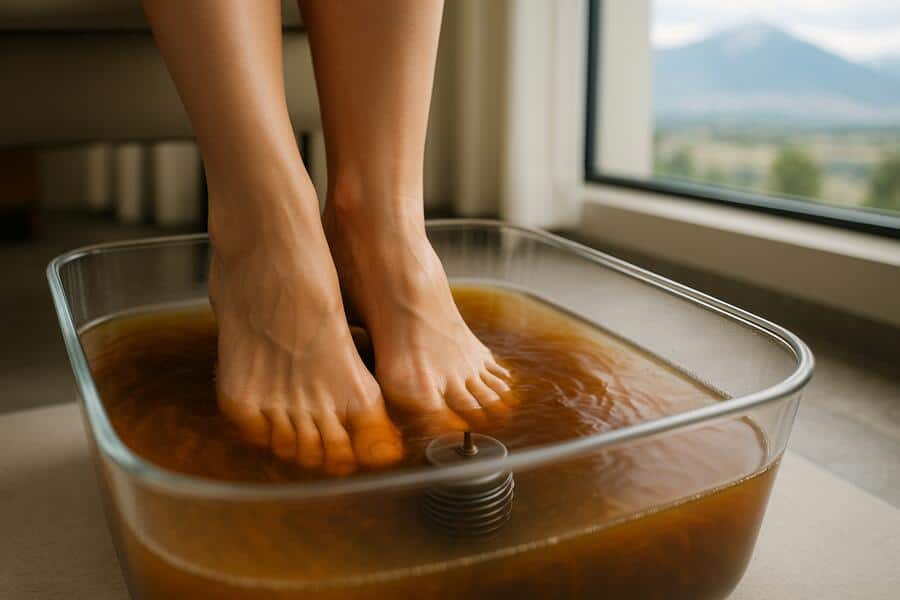
The quest for detoxification and enhanced well-being has led to a surge in various wellness treatments, among them the increasingly popular ionic foot bath. Touted for its ability to “pull toxins” from the body through the feet, this seemingly simple procedure involves immersing your feet in a basin of water while a low electrical current is applied. The visual change in the water, often turning murky or discolored, is frequently presented as evidence of toxins being drawn out. However, to truly understand the ionic foot bath, it’s essential to look beyond the anecdotal and examine the mechanics and scientific consensus surrounding its claims.
For those exploring natural ways to support their body’s systems, separating fact from fiction is crucial. While the concept of a foot bath for relaxation and soothing tired feet is well-established, the specific “detox” claims associated with an ionic foot bath warrant a closer look. This article aims to provide a clear, no-nonsense overview of what an ionic foot bath is, how it works, what scientific evidence suggests, and what you can realistically expect from the experience.
Understanding the Ionic Foot Bath
What is an Ionic Foot Bath?
An ionic foot bath, also known as an ionic detox foot spa or aqua detox, is a system that typically consists of a foot basin, warm water mixed with a small amount of salt, and an array (electrode) that sits in the water. A control unit then sends a low-level electrical current through the array, creating an electrolytic reaction. The core idea is that this process creates positively and negatively charged ions in the water, which proponents claim interact with the body’s own energetic fields.
The visual spectacle of the water changing color – often turning brown, orange, or even black – is central to the ionic foot bath experience. Many believe this discoloration indicates that toxins are being extracted from the body. However, as we will discuss, this color change is primarily a chemical reaction within the bath itself.
💡 Key Takeaway: An ionic foot bath uses an electrical current to ionize salt water, with the resulting water discoloration often misinterpreted as evidence of toxin removal.
The Claims vs. The Science
The primary claim of ionic foot bath providers is that the process helps to “detoxify” the body by drawing out heavy metals, pollutants, and other toxins through the soles of the feet. This concept suggests that the ionic interaction facilitates the movement of these harmful substances from the bloodstream into the bathwater.
However, scientific research overwhelmingly does not support these detoxification claims. Multiple studies have shown that:
- Water Discoloration: The change in water color occurs even when no feet are in the bath. It’s largely a result of the electrolysis process reacting with the salt in the water and the metals of the electrode array, causing rust and corrosion. Tap water impurities can also contribute.
- No Toxin Elimination: Studies analyzing water before and after a foot bath, as well as testing participants’ urine or hair, have found no significant evidence of increased toxin elimination from the body. The substances found in the discolored water are typically what would be expected from the chemical reaction, not human toxins.
- Lack of Scientific Mechanism: The human body has highly efficient detoxification systems through organs like the liver and kidneys. There is no known physiological mechanism by which the feet, through a foot bath, could effectively draw out systemic toxins in the manner claimed.
Therefore, while the experience might be relaxing, attributing detoxification to the color change in the water is not scientifically accurate.
Actual Benefits: Relaxation and Foot Care
Despite the lack of scientific backing for detoxification, an ionic foot bath can still be a beneficial part of a wellness routine, albeit for reasons different from those often advertised. The most tangible benefits are those associated with any warm foot soak:
- Relaxation and Stress Reduction: Soaking your feet in warm water is inherently soothing. This can help reduce stress, calm the nervous system, and promote a sense of well-being.
- Improved Circulation: Warm water can temporarily increase blood circulation in the feet, which can alleviate muscle tension and promote comfort.
- Hydration and Softening of Skin: Soaking helps hydrate and soften the skin on the feet, making it easier to exfoliate and improve overall foot health.
- Relief for Tired Feet: For those on their feet all day, a warm foot bath can provide welcome relief from aches and fatigue.
When combined with soothing ingredients, a simple foot soak can offer a delightful experience. Imagine the invigorating sensation of a peppermint eucalyptus foot soak, specifically designed to refresh and revitalize tired feet through aroma and targeted ingredients, rather than relying on unproven detoxification claims.
| Claimed Benefit (Unproven by Science) | Actual Benefit (Supported by Experience) |
|---|---|
| Removes heavy metals and toxins from the body | Promotes deep relaxation and stress relief |
| “Cleanses” internal organs | Soothes tired and aching feet |
| Boosts the immune system via detoxification | Improves local circulation and softens foot skin |
| Resolves various chronic health conditions | Contributes to overall well-being as a self-care ritual |
💡 Key Takeaway: While ionic foot baths lack scientific evidence for detoxification, they can still offer genuine benefits like relaxation, improved local circulation, and relief for tired feet, much like any warm foot soak.
Safety Considerations and What to Expect
For most healthy individuals, an ionic foot bath is generally considered safe, but there are important considerations and groups for whom it is not recommended:
- Contraindications: Individuals who are pregnant or breastfeeding, have a pacemaker or other electrical implants, suffer from epilepsy, have open wounds on their feet, or have severe heart conditions should avoid ionic foot baths. Diabetics should consult their doctor due to potential foot sensitivity.
- Skin Irritation: The salt and electrical current can sometimes cause mild skin irritation, especially if there are existing cuts or abrasions.
- Hydration: Ensuring adequate hydration before and after any bath, especially one involving heat, is always a good practice.
During a session, you’ll sit comfortably with your feet in the water for about 20-30 minutes. You might feel a slight tingling sensation, and you’ll observe the water changing color. The experience is typically relaxing and low-key. If you have any health concerns, it’s always wise to consult with a healthcare professional before trying any new wellness treatment.
💡 Key Takeaway: Ionic foot baths are generally safe for healthy individuals but are contraindicated for specific groups. The primary experience is relaxation, and consulting a healthcare professional is advised if you have concerns.
Conclusion
The ionic foot bath is a wellness treatment that, while popular, comes with specific claims that are not substantiated by scientific research. The visual “detoxification” often associated with the color change in the water is, in reality, a chemical reaction within the bath itself. However, this does not mean the experience is entirely without merit. Like any warm foot soak, an ionic foot bath can be a wonderfully relaxing and soothing experience, promoting stress reduction, improving local circulation, and providing a moment of self-care. When approaching such treatments, it’s always best to understand both the popular claims and the scientific realities to make informed choices for your personal wellness journey.
Have questions about professional concrete cleaning in Phoenix? Give us a call today.
Frequently Asked Questions About Ionic Foot Baths
Do ionic foot baths actually remove toxins from the body?
Based on current scientific evidence, there is no credible research to support the claim that ionic foot baths effectively remove toxins, heavy metals, or other harmful substances from the human body. The discoloration of the water is due to a chemical reaction, not expelled toxins.
What causes the water to change color in an ionic foot bath?
The water changes color primarily due to the electrochemical reaction between the salt in the water and the metal electrodes (array). This process causes the electrodes to corrode and rust, releasing particles into the water, which then change its color. Impurities in the tap water can also contribute.
Who should avoid using an ionic foot bath?
Individuals who are pregnant or breastfeeding, have pacemakers or other electrical implants, suffer from epilepsy, have open wounds on their feet, or have severe heart conditions should avoid ionic foot baths. It’s always best to consult a healthcare professional if you have any underlying health concerns.
What are the proven benefits of using an ionic foot bath?
While detoxification claims are unproven, the experience of an ionic foot bath can offer benefits similar to any warm foot soak: relaxation, stress reduction, temporary improvement in local circulation, and general comfort for tired feet. It can be a pleasant self-care ritual.


