
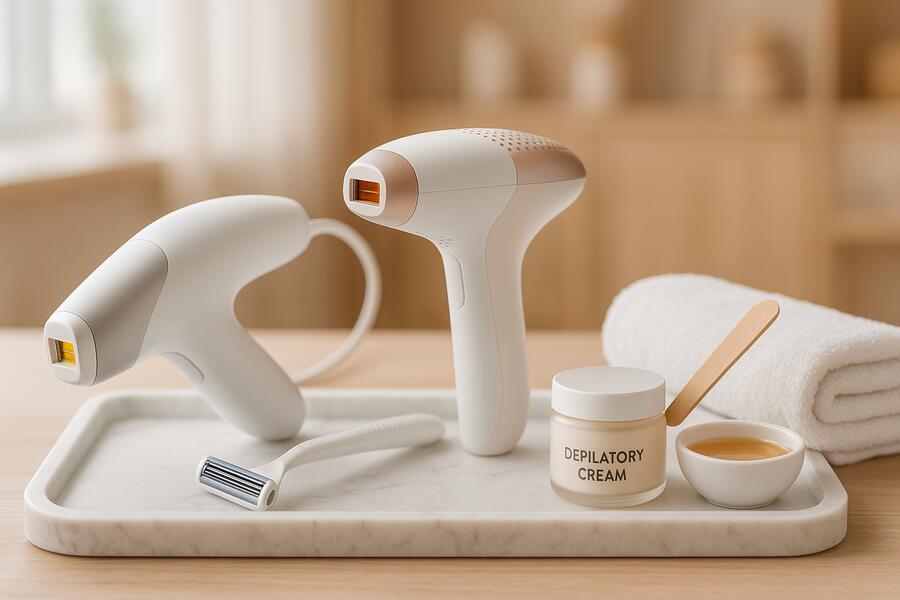
It’s no secret that hair removal for women is a deeply personal choice, driven by factors ranging from aesthetics and comfort to hygiene and confidence. The landscape of hair removal methods has evolved significantly, offering a diverse array of options to suit every preference, skin type, and desired outcome. Understanding these various techniques—from temporary at-home fixes to professional, long-term solutions—is key to making an informed decision that aligns with your lifestyle. This guide provides a comprehensive overview of everything you need to know about hair removal for women, empowering you with the knowledge to achieve the smooth skin you desire.
Understanding Your Hair Removal Options
Temporary Hair Removal Methods
For those seeking immediate results without long-term commitment, several temporary methods are widely available and popular. These methods typically remove hair from the surface or just below, requiring regular upkeep.
Shaving
Shaving is perhaps the most common and accessible method. It involves using a razor to cut hair at the skin’s surface. While quick and painless for most, results are short-lived, often lasting only 1-3 days before stubble reappears. It’s best for quick touch-ups and large areas, though care must be taken to prevent nicks, razor burn, and ingrown hairs.
Depilatory Creams
Chemical depilatories work by dissolving hair just below the skin’s surface. These creams are easy to use at home and offer results that last slightly longer than shaving, typically 3-7 days. However, individuals with sensitive skin should perform a patch test, as these products can sometimes cause irritation due to their chemical composition.
Waxing
Waxing involves applying warm wax to the skin and then quickly pulling it off, removing hair from the root. This method provides smoother skin for a longer duration, usually 2-4 weeks. Salons increasingly offer specialized waxing services, including hypoallergenic and plant-based waxes, which are particularly beneficial for sensitive clients. Brazilian waxes have also become a very popular choice for intimate areas, providing a clean, smooth finish.
Epilation
Epilators are electric devices that mechanically pluck multiple hairs from the root simultaneously. While more painful initially than waxing for some, epilation offers similar long-lasting results, around 2-4 weeks. Modern epilators come with various attachments and settings to minimize discomfort and adapt to different body areas.
💡 Key Takeaway: Temporary hair removal methods are convenient and effective for quick results. Shaving is fastest, depilatory creams offer chemical solutions, while waxing and epilation provide longer-lasting smoothness by removing hair from the root.
Long-Term & Permanent Hair Removal Solutions
For those looking to significantly reduce hair growth or achieve permanent hair removal, professional treatments offer more durable results, often leading to a substantial decrease in hair over time.
Laser Hair Removal
Laser hair removal is a popular and effective long-term solution that uses concentrated light to target and destroy hair follicles. This process significantly reduces hair growth over a series of sessions, with many clients experiencing permanent hair reduction. It’s particularly effective for individuals with darker hair and lighter skin, though advancements in technology have expanded its applicability. For those seeking a long-term reduction in unwanted hair, exploring professional Laser Hair Removal can be a game-changer for confidence and daily convenience.
Intense Pulsed Light (IPL)
Similar to laser treatments, IPL uses broad-spectrum light to target hair follicles. While effective for hair reduction, IPL devices often use multiple wavelengths of light, making them less precise than dedicated laser systems. At-home IPL devices are widely available and praised for their convenience and cost-effectiveness, though professional IPL treatments typically deliver more powerful and consistent results.
Electrolysis
Electrolysis is currently the only FDA-approved method for permanent hair removal. It involves inserting a fine probe into each hair follicle and delivering a small electrical current to destroy the follicle’s ability to regrow hair. This method is effective on all hair and skin types and colors, making it a versatile option, though it can be more time-consuming as each follicle is treated individually.
💡 Key Takeaway: Long-term solutions like laser and IPL offer significant hair reduction, while electrolysis provides permanent hair removal by destroying the follicle. Professional guidance is essential for these advanced treatments.
Factors to Consider When Choosing a Method
Selecting the right hair removal method involves more than just knowing what’s available. Your individual characteristics and preferences play a crucial role.
Skin Type and Hair Color
Different methods respond best to certain hair and skin types. For instance, laser hair removal is most effective on darker hair against lighter skin, while electrolysis is universally effective. Understanding your specific profile will help guide your decision towards the most effective and safest option.
Pain Tolerance
Pain sensitivity varies greatly among individuals. Temporary methods like shaving are generally painless, while waxing, epilation, and even some laser treatments can cause discomfort. Discussing pain management options and choosing a method that aligns with your tolerance is important for a positive experience.
Cost and Time Commitment
The upfront and ongoing costs vary significantly. Temporary methods are generally inexpensive per session but require frequent repetition. Long-term solutions like laser hair removal or electrolysis involve higher initial investments but can save time and money in the long run. Consider both the financial outlay and the time required for treatments and maintenance.
Desired Longevity of Results
Do you need a quick fix for a special occasion, or are you looking for a more lasting solution? Shaving offers days of smoothness, waxing and epilation offer weeks, and professional laser or IPL provide months of reduced growth, with electrolysis leading to permanent removal. Align your choice with your desired outcome.
Area of Treatment
The body area you wish to treat can influence your method choice. Delicate areas like the face or bikini line may benefit from gentler or more precise methods, while larger areas like legs or back might be more efficiently treated with other techniques.
💡 Key Takeaway: Your unique skin and hair type, pain tolerance, budget, desired longevity, and the specific treatment area are all crucial factors in determining the best hair removal method for you.
Comparing Popular Hair Removal Methods
To help visualize the differences, here’s a comparative look at the most popular hair removal methods:
| Method | Longevity | Pain Level (1-5) | Cost (per session/device) | Best For |
|---|---|---|---|---|
| Shaving | 1-3 days | 1 | Low | Quick, daily removal |
| Depilatory Creams | 3-7 days | 1 | Low | Painless hair dissolution |
| Waxing | 2-4 weeks | 3-4 | Moderate (per session) | Smooth results for weeks |
| Epilation | 2-4 weeks | 3-4 | Moderate (device purchase) | At-home long-lasting removal |
| Laser/IPL | Months (reduced growth) | 2-3 | High (course of sessions) | Significant hair reduction |
| Electrolysis | Permanent | 2-3 | High (multiple sessions) | Permanent hair removal |
Choosing the right hair removal method is a personal journey, and understanding your options is the first step. Whether you opt for a temporary at-home solution or a professional long-term treatment, prioritizing skin health and safety is paramount. Always consult with a qualified professional to discuss your unique needs and determine the best approach to achieve your desired smooth results.
Considering your options for long-lasting hair removal? Reach out to a professional today for personalized guidance.
Frequently Asked Questions About Hair Removal
What is the most permanent hair removal method for women?
Electrolysis is the only hair removal method recognized by the FDA as truly permanent. It works by destroying individual hair follicles, preventing regrowth, and is effective on all hair and skin types.
Is laser hair removal truly permanent?
While often referred to as permanent, laser hair removal is more accurately described as a long-term hair reduction method. It significantly reduces hair growth, and many individuals experience permanent hair loss in treated areas. However, some hair may regrow, often finer and lighter, requiring occasional touch-up sessions.
Can I do laser hair removal at home?
Yes, at-home IPL (Intense Pulsed Light) devices are available and can offer noticeable hair reduction. However, professional laser treatments in a clinic setting typically use more powerful and precise devices, delivering more effective and consistent results over fewer sessions. Always follow manufacturer instructions carefully for at-home devices.
What should I consider before getting a professional hair removal treatment?
Before any professional treatment like laser hair removal or electrolysis, it’s crucial to have a consultation. Factors to consider include your skin type, hair color and thickness, any underlying medical conditions, medications you are taking, and your pain tolerance. A professional can assess these factors and recommend the safest and most effective approach for you.
Is waxing better than shaving for women?
For many women, waxing is preferred over shaving because it removes hair from the root, leading to smoother skin for a longer period (typically 2-4 weeks vs. 1-3 days). Shaving cuts hair at the surface, which can result in quicker regrowth and stubble. However, waxing can be more painful and requires hair to be a certain length for effective removal.


