
In the evolving world of wellness and skincare, various therapies aim to enhance well-being and address common concerns. Among them, blue led light therapy has emerged as a topic of significant interest, often lauded for its targeted approach to skin health. Many wonder what this treatment entails, how it works, and if it’s genuinely effective. This article aims to demystify blue LED light therapy, breaking down the science and practical applications in straightforward terms.
At its core, blue LED light therapy utilizes specific wavelengths of blue light to interact with the skin’s cells and tissues. This non-invasive treatment is increasingly recognized for its potential benefits, particularly in addressing certain skin conditions. Understanding the mechanism behind it can help clarify why it’s becoming a popular choice for those seeking targeted solutions without harsh chemicals or invasive procedures.
Understanding Blue LED Light Therapy
How Blue LED Light Therapy Works
Blue LED light therapy operates on a principle known as photobiomodulation. Essentially, specific wavelengths of blue light (typically in the 400-490 nanometer range) penetrate the skin to target certain chromophores within the cells. For acne treatment, a primary application, the blue light is absorbed by porphyrins, which are compounds produced by the P. acnes bacteria, a key contributor to inflammatory acne. When these porphyrins absorb blue light, a chemical reaction occurs, generating singlet oxygen and free radicals that effectively destroy the bacteria from within.
This bactericidal effect is well-documented and forms the foundation of blue light’s efficacy in managing mild to moderate inflammatory acne. Unlike broad-spectrum UV light, LED light therapy delivers specific wavelengths without emitting harmful UV rays, making it a safe option for regular use.
💡 Key Takeaway: Blue LED light therapy targets and eliminates acne-causing bacteria by exciting specific compounds within them, offering a non-invasive and safe method for improving skin clarity.
Key Applications and Benefits
While often associated with acne, blue LED light therapy offers a range of benefits rooted in its antimicrobial and anti-inflammatory properties.
Acne Treatment
The most well-known application of blue light therapy is for the treatment of acne vulgaris. Studies have shown significant reductions in both inflammatory and non-inflammatory lesions. Its ability to destroy P. acnes bacteria helps to reduce breakouts and minimize redness and irritation. For many, this translates to clearer skin and a boost in confidence, especially when used consistently over several weeks.
Anti-Inflammatory and Healing Properties
Beyond acne, blue light has been observed to stimulate cellular processes that contribute to more rapid wound healing and improved skin morphology. It can help reduce inflammation, which is beneficial for various skin conditions where redness and swelling are prevalent. While not a primary treatment for deep wounds, its anti-inflammatory effects can support overall skin health and recovery.
Mood and Well-being Support
Emerging research suggests that blue light may also play a role beyond skin health, with some studies indicating its potential to improve quality of life and reduce fatigue. This connection highlights the broader impact of light therapy on the body’s systems, from cellular repair to mood regulation. It’s an area of ongoing study, but the preliminary findings are promising for those seeking holistic wellness solutions.
For individuals exploring various non-invasive treatments to support their skin health and overall well-being, understanding the distinct advantages of specialized light treatments can be incredibly valuable. These therapies, including specific applications like Led Light Therapy, are gaining recognition for their targeted benefits.
💡 Key Takeaway: Beyond just acne, blue LED light therapy contributes to anti-inflammatory responses and could potentially offer wider benefits for overall well-being.
What to Expect from a Blue LED Light Therapy Session
A typical blue LED light therapy session is a comfortable and straightforward experience. Here’s a general overview:
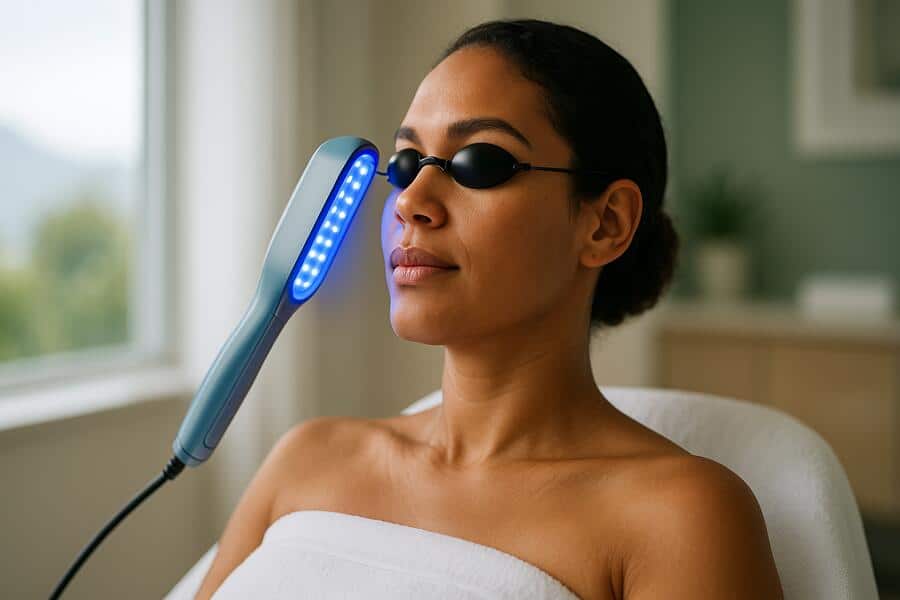
- Preparation: The skin area to be treated is typically cleansed. Eye protection is worn to shield the eyes from the bright light.
- Treatment: A device emitting blue LED light is positioned over the skin. Sessions usually last between 10 to 20 minutes, depending on the device and treatment plan.
- Sensation: The treatment is painless, with most individuals feeling a gentle warmth or no sensation at all. There’s no downtime, so you can resume your daily activities immediately afterward.
- Frequency: For optimal results, a series of sessions is often recommended, typically two to three times a week for several weeks. Consistency is key to achieving noticeable improvements, especially for persistent conditions like acne.
Here’s a quick look at common benefits and considerations:
| Benefit Area | Key Advantage of Blue LED Light |
|---|---|
| Acne Reduction | Destroys P. acnes bacteria, reduces inflammation and breakouts. |
| Skin Clarity | Leads to a clearer complexion by targeting the root cause of bacterial acne. |
| Non-Invasive | Gentle treatment with no chemicals, needles, or downtime. |
| Complementary Therapy | Can be used alongside other skincare treatments or as a standalone option. |
💡 Key Takeaway: Blue LED light therapy sessions are quick, painless, and require no downtime, making them a convenient addition to any wellness routine.
Is Blue LED Light Therapy Right For You?
Blue LED light therapy is generally safe and well-tolerated by most individuals. It’s often recommended for those dealing with mild to moderate acne, particularly inflammatory breakouts, who are looking for a non-pharmacological alternative or complement to their current regimen. It’s also suitable for people seeking to improve overall skin clarity and reduce inflammation without harsh side effects.
However, as with any wellness treatment, it’s always advisable to consult with a professional to determine if blue LED light therapy aligns with your specific needs and health profile. They can assess your skin condition, discuss your goals, and recommend a personalized treatment plan, ensuring you get the most appropriate and effective care.
Conclusion
Blue LED light therapy stands out as a promising, non-invasive option for addressing specific skin concerns, primarily acne, through its targeted antibacterial action. By understanding how it works and what to expect, individuals can make informed decisions about incorporating this treatment into their wellness journey. Its gentle nature and lack of downtime make it an accessible choice for many, contributing to clearer skin and an enhanced sense of well-being.
💡 Key Takeaway: Blue LED light therapy offers a gentle, effective option for managing acne and improving skin health, with minimal risk and no recovery time.
Have questions about Led Light Therapy? Give us a call today.
Frequently Asked Questions About Blue LED Light Therapy
Is blue LED light therapy safe for all skin types?
Yes, blue LED light therapy is generally considered safe for all skin types, including sensitive skin. It does not use UV light, so there’s no risk of sun damage or burning. However, individuals with certain light-sensitive conditions or those taking photosensitizing medications should consult a professional before starting treatment.
How long does it take to see results from blue LED light therapy?
Results can vary, but many individuals begin to see improvements in their skin, particularly a reduction in acne lesions and inflammation, within a few weeks of consistent treatment. Optimal results typically require a series of sessions over several weeks or months.
Can blue LED light therapy be combined with other skincare treatments?
Yes, blue LED light therapy can often be safely combined with other skincare treatments. It can complement topical acne treatments, facials, and other light therapies (like red light therapy) to enhance overall results. Always discuss your complete skincare regimen with your practitioner to ensure compatibility and maximize benefits.


