
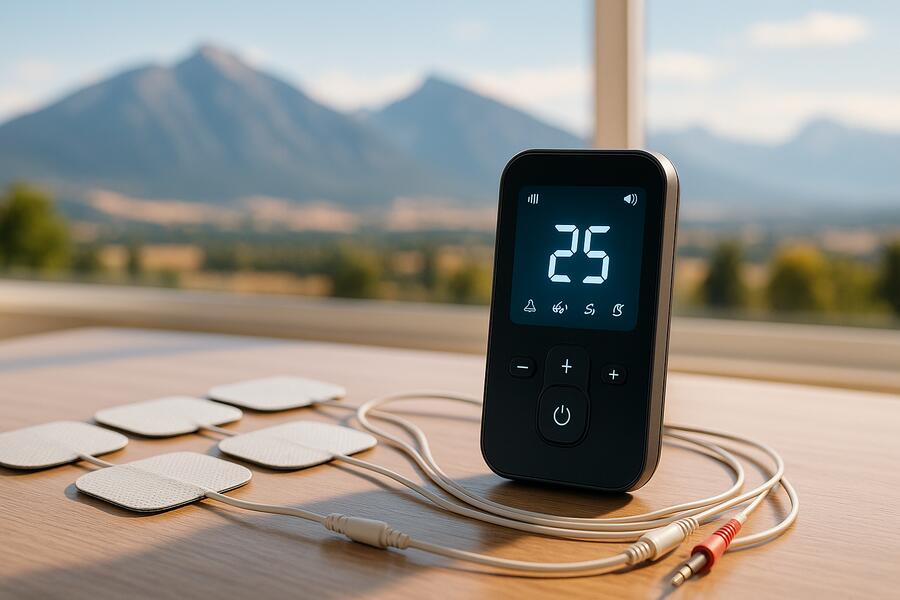
In the evolving landscape of pain management and muscle recovery, the digital electrotherapy device has emerged as a significant tool. These devices utilize controlled electrical impulses to interact with the body’s natural electrical signals, offering a non-invasive approach to various physiological concerns. Whether for alleviating chronic pain, aiding in muscle rehabilitation, or enhancing athletic recovery, understanding the nuances of these devices—from their operational methods to their associated costs and anticipated outcomes—is crucial for anyone considering their use.
Modern digital electrotherapy devices are more sophisticated and user-friendly than their predecessors, providing precise control over treatment parameters. This guide aims to demystify the technology, offering a practical overview of how these systems work, what investment they typically require, and the tangible benefits users can expect. The goal is to equip you with the knowledge needed to make informed decisions about incorporating a digital electrotherapy device into your wellness or recovery regimen.
Understanding Digital Electrotherapy Methods
Digital electrotherapy encompasses several distinct modalities, each designed to achieve specific physiological responses through the application of electrical currents. The most common types include Transcutaneous Electrical Nerve Stimulation (TENS), Electrical Muscle Stimulation (EMS), and Microcurrent Electrical Neuromuscular Stimulation (MENS). Each method utilizes unique waveforms and frequencies to target different tissues and nerves.
- TENS (Transcutaneous Electrical Nerve Stimulation): Primarily used for pain relief, TENS devices work by delivering low-voltage electrical current through electrodes placed on the skin. This current stimulates nerves, which can either block pain signals from reaching the brain (Gate Control Theory) or encourage the body to produce its own natural pain-relieving chemicals, endorphins. It’s effective for both acute and chronic pain.
- EMS (Electrical Muscle Stimulation): EMS focuses on stimulating muscle contractions. By sending electrical impulses directly to the motor nerves, EMS causes muscles to contract and relax rhythmically. This can be beneficial for muscle re-education, strengthening weakened muscles, improving local blood circulation, and preventing disuse atrophy in recovery situations.
- MENS (Microcurrent Electrical Neuromuscular Stimulation): MENS operates at extremely low electrical currents, often in the microampere range, which are similar to the body’s own natural electrical currents. The theory behind MENS is that these microcurrents can promote cellular repair, increase ATP production (cellular energy), and reduce inflammation, leading to accelerated healing and pain reduction.
The application method typically involves placing self-adhesive electrodes on the skin in specific locations relative to the pain or muscle group. The digital interface of modern devices allows for precise control over intensity, frequency, and duration of the electrical impulses, making treatments highly customizable.
💡 Key Takeaway: Digital electrotherapy devices like TENS, EMS, and MENS utilize distinct electrical impulse methods to target pain relief, muscle stimulation, and cellular repair, offering versatile solutions for various conditions.
The Costs Associated with Digital Electrotherapy Devices
The cost of a digital electrotherapy device can vary widely, primarily influenced by its intended use (consumer vs. professional), the number of features, output channels, and overall build quality. Understanding these cost tiers can help in selecting a device that aligns with your needs and budget.
| Device Category | Typical Characteristics | General Cost Range |
|---|---|---|
| Entry-Level Consumer Devices | Simple, often single-channel, basic programs, compact size, battery-operated. Ideal for occasional home use. | Generally lower-end. |
| Mid-Range Consumer/Prosumer Devices | Dual-channel, more pre-set programs, greater adjustability, better display, rechargeable battery. Suitable for more regular personal use. | Mid-range investment. |
| Professional/Clinical Devices | Multiple channels, advanced customizable programs, precise parameter control, durable build, often AC powered. Used in clinics, physical therapy offices, and by sports professionals. | Significantly higher investment. |
Beyond the initial purchase, ongoing costs may include replacement electrodes (which wear out over time), batteries, and any specialized conductive gels. While professional-grade equipment represents a substantial investment, it’s often justified by advanced capabilities, durability, and the ability to serve multiple patients or complex conditions.
Expected Outcomes and Benefits of Electrotherapy
When used correctly and consistently, a digital electrotherapy device can yield a range of positive outcomes, particularly in the realm of pain relief and physical recovery. The benefits are often cumulative, improving with regular application as part of a broader treatment plan.
- Significant Pain Reduction: Many users experience substantial relief from acute and chronic pain conditions, including back pain, neck pain, arthritis, sciatica, and fibromyalgia. TENS, in particular, is widely recognized for its ability to modulate pain signals.
- Enhanced Muscle Recovery and Strength: EMS can aid in post-injury rehabilitation by preventing muscle atrophy, improving blood flow to injured areas, and facilitating muscle re-education. For athletes, it can also be used for muscle warm-up, endurance training, and faster recovery after intense workouts.
- Improved Circulation and Reduced Swelling: The muscle contractions induced by EMS can help pump fluids, improving local circulation and reducing swelling in affected areas, which is beneficial for healing and comfort.
- Increased Range of Motion: By reducing pain and promoting muscle relaxation or strengthening, electrotherapy can contribute to an improved range of motion in joints and muscles, which is vital for functional recovery.
For those seeking comprehensive solutions for discomfort and physical rehabilitation, exploring options like Missoula Electrotherapy with a qualified practitioner can help determine the most suitable approach. Remember that electrotherapy is typically part of a holistic strategy, complementing other forms of physical therapy, exercise, and lifestyle adjustments.
💡 Key Takeaway: Digital electrotherapy can lead to substantial pain reduction, improved muscle recovery, enhanced circulation, and increased range of motion, especially when integrated into a comprehensive wellness and recovery plan.
Choosing the Right Device and Professional Guidance
Selecting the appropriate digital electrotherapy device requires careful consideration. For home use, a mid-range consumer device with multiple programs and good adjustability might be sufficient for general pain relief or muscle toning. However, for more complex conditions, or if you’re unsure about the underlying cause of your symptoms, professional guidance is indispensable.
Consulting with a healthcare professional—such as a physical therapist, chiropractor, or sports medicine specialist—is highly recommended. They can:
- Diagnose your condition accurately.
- Recommend the most appropriate electrotherapy modality (TENS, EMS, MENS).
- Advise on specific device features that would benefit you most.
- Instruct you on proper electrode placement and optimal treatment parameters (intensity, frequency, duration) to ensure safety and maximize effectiveness.
- Integrate electrotherapy into a broader treatment plan that may include exercises, manual therapy, and other interventions.
While consumer devices offer convenience, professional oversight ensures that the treatment is tailored to your unique needs, minimizing risks and optimizing outcomes.
Digital electrotherapy devices offer a valuable, non-pharmacological option for managing pain and supporting physical recovery. By understanding the different methods, cost considerations, and potential outcomes, individuals can make informed decisions. Whether for home use or in a clinical setting, these devices, especially when guided by professional advice, stand as a testament to the power of targeted electrical stimulation in enhancing well-being and facilitating healing.
Have questions about professional concrete cleaning in Phoenix? Give us a call today.
Frequently Asked Questions About Digital Electrotherapy Devices
Is digital electrotherapy safe for everyone?
While generally safe, electrotherapy is not suitable for everyone. It should be avoided by individuals with pacemakers, defibrillators, or other implanted electronic devices, as well as pregnant women, and those with certain heart conditions or epilepsy. Always consult a healthcare professional before starting electrotherapy.
How long does a typical electrotherapy session last?
Session duration varies depending on the condition being treated and the specific modality. TENS sessions for pain relief might range from 20-60 minutes, while EMS sessions for muscle stimulation could be 15-30 minutes. Your healthcare provider will recommend an appropriate duration.
Can I use a digital electrotherapy device for chronic pain management at home?
Yes, many people use digital electrotherapy devices, particularly TENS units, for at-home chronic pain management. However, it’s crucial to first receive a diagnosis and instructions from a healthcare professional to ensure proper and safe application. They can help you select the right device and guide you on its use.
What’s the difference between a consumer-grade and a professional-grade device?
Consumer-grade devices are typically simpler, more affordable, and designed for ease of use at home with pre-set programs. Professional-grade devices offer greater power, more channels, advanced customization options, clinical-grade durability, and often require specialized training to operate, making them suitable for clinical settings and complex therapeutic needs.


