
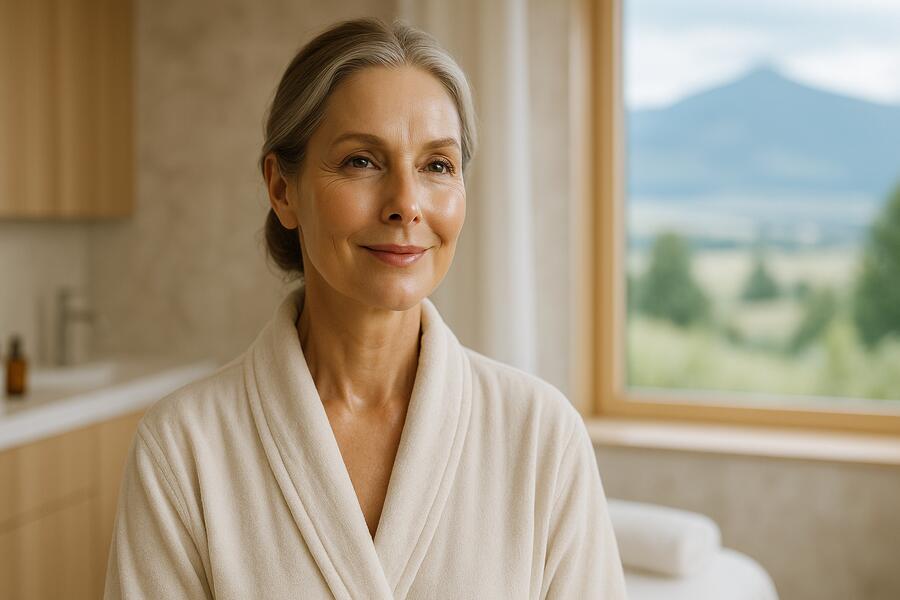
As we age, our skin naturally undergoes changes – fine lines appear, elasticity lessens, and overall radiance can diminish. It’s a natural process, but with advancements in skincare, an anti aging facial offers a proactive and restorative approach to maintaining youthful, vibrant skin. This isn’t just about looking younger; it’s about promoting skin health and vitality for the long term.
An anti aging facial is more than just a relaxing treatment; it’s a targeted regimen designed to combat the visible signs of aging. It often involves a combination of specialized techniques and high-quality products designed to rejuvenate the skin at a cellular level, helping to combat the visible signs of aging before they become deeply set. For those seeking comprehensive Missoula Skin Care options, understanding the elements of an effective anti-aging facial is key to choosing the right treatment.
Understanding the Anti-Aging Facial
What Exactly is an Anti-Aging Facial?
At its core, an anti-aging facial is a professional skincare treatment specifically formulated to address concerns related to skin aging. This includes targeting wrinkles, fine lines, sun damage, hyperpigmentation, loss of firmness, and dullness. Unlike a basic cleansing facial, an anti-aging treatment incorporates potent ingredients and advanced techniques aimed at cellular repair and regeneration.
The philosophy behind these facials has evolved from simply treating existing signs of aging to focusing on regenerative therapies. This means stimulating your skin’s natural processes to rebuild collagen and elastin, rather than just masking surface issues. It’s a proactive measure that encourages the skin to heal and renew itself from within.
💡 Key Takeaway: An anti-aging facial is a targeted treatment designed to not only address existing signs of aging like fine lines and loss of firmness but also to stimulate the skin’s natural regenerative processes for long-term health and vitality.
Key Components and Techniques Involved
While specific protocols can vary, a typical anti-aging facial will integrate several crucial steps and ingredients:
- Deep Cleansing & Exfoliation: Beyond a standard cleanse, professional exfoliation (chemical peels, enzymatic treatments, microdermabrasion) removes dead skin cells, promoting cellular turnover and allowing active ingredients to penetrate deeper.
- Targeted Serums & Concentrates: These are the workhorses of the facial, loaded with active ingredients like antioxidants (Vitamin C, E), peptides, hyaluronic acid, growth factors, and retinoids. They penetrate the freshly exfoliated skin to deliver intensive nourishment and repair.
- Massage Techniques: Specialized massage stimulates blood flow, promotes lymphatic drainage, and helps to firm and lift facial muscles, improving circulation and delivering a natural glow.
- Advanced Modalities: Many modern anti-aging facials incorporate technologies such as LED light therapy (to stimulate collagen), microcurrent (for muscle toning), or oxygen infusion (for hydration and radiance).
- Hydrating & Restorative Masks: A rich mask tailored to your skin type seals in the active ingredients, provides intense hydration, and calms the skin.
Common Anti-Aging Ingredients and Their Benefits
| Ingredient | Primary Benefit | Why it’s Crucial for Anti-Aging |
|---|---|---|
| Hyaluronic Acid | Deep Hydration, Plumping | Holds over 1,000 times its weight in water, reducing the appearance of fine lines by plumping the skin. |
| Vitamin C | Antioxidant, Brightening, Collagen Boost | Protects against free radical damage, evens skin tone, and is essential for collagen synthesis. |
| Peptides | Collagen Production, Firming | Signal the skin to produce more collagen, improving elasticity and reducing wrinkles. |
| Retinoids (Vitamin A derivatives) | Cellular Turnover, Wrinkle Reduction | Accelerate skin cell regeneration, fading hyperpigmentation and smoothing texture. |
💡 Key Takeaway: An effective anti-aging facial combines deep exfoliation, potent serums with ingredients like hyaluronic acid and Vitamin C, specialized massage, and often advanced tools to deliver comprehensive skin rejuvenation.
The Benefits Beyond Surface-Level Aesthetics
While the immediate aesthetic improvements are noticeable, the true value of regular anti-aging facials lies in their long-term benefits for skin health. These treatments:
- Boost Collagen and Elastin: By stimulating fibroblasts, the cells responsible for producing these vital proteins, facials help restore skin’s natural scaffolding, leading to firmer, more resilient skin.
- Improve Skin Cell Regeneration: Regular exfoliation and targeted treatments accelerate the shedding of old, damaged cells and the production of new, healthy ones, leading to a brighter, more even complexion.
- Enhance Product Absorption: Professional exfoliation removes barriers, allowing your at-home skincare products to penetrate more effectively and deliver better results.
- Detoxify the Skin: Lymphatic drainage massage helps remove toxins and reduce puffiness, contributing to a clearer, healthier appearance.
- Provide a Preventative Measure: Starting anti-aging treatments earlier can help delay the onset of visible signs of aging, making them a key component of preventative skin health. This proactive approach focuses on maintaining skin integrity rather than simply reacting to damage.
💡 Key Takeaway: Anti-aging facials offer benefits far beyond just looking good; they actively promote skin regeneration, boost collagen, improve detoxification, and enhance the efficacy of your daily skincare routine, acting as a crucial preventative measure against aging.
Who Can Benefit and What to Expect
Anti-aging facials are beneficial for individuals looking to address specific concerns related to skin aging, from those in their late 20s and 30s focusing on prevention and maintenance, to those in later stages seeking significant rejuvenation. Anyone experiencing fine lines, wrinkles, dullness, loss of firmness, or uneven skin tone can benefit.
During the treatment, you can expect a relaxing yet results-driven experience. Your esthetician will typically begin with a thorough skin analysis to tailor the treatment to your specific needs. The process involves cleansing, exfoliation, application of serums and masks, and often a soothing massage. While some advanced treatments might involve a slight sensation (e.g., tingling from a peel), most experiences are comfortable.
Post-treatment, your skin will likely appear refreshed, brighter, and deeply hydrated. Depending on the intensity of the facial, you might experience slight redness, which typically subsides within a few hours. Consistency is key; a series of treatments, combined with a good at-home skincare regimen, will yield the most profound and lasting results.
Have questions about professional concrete cleaning in Phoenix? Give us a call today.
Frequently Asked Questions About Anti-Aging Facials
How often should I get an anti-aging facial?
Typically, a monthly facial is recommended to maintain optimal skin health and address aging concerns consistently. However, this can vary based on your skin type, specific concerns, and the intensity of the treatments.
Are anti-aging facials suitable for sensitive skin?
Many anti-aging facials can be customized for sensitive skin. It’s crucial to communicate any sensitivities or allergies to your esthetician beforehand so they can select appropriate products and techniques that are gentle yet effective.
What results can I expect after one anti-aging facial?
After a single session, you can expect improved hydration, a brighter complexion, and a smoother texture. Fine lines may appear softened, and your skin will likely feel firmer. For more significant and lasting changes in deeper wrinkles or elasticity, a series of treatments is usually recommended.
Can I combine anti-aging facials with other treatments?
Yes, anti-aging facials can often be safely combined with other aesthetic treatments like injectables (Botox, fillers) or certain laser therapies. Always discuss your full treatment plan with your esthetician or dermatologist to ensure proper timing and complementary results.


