LED Light Therapy at Lavana Connection

When people mention ultraviolet light Therapy, they’re often thinking of light‑based treatments in general. At Lavana Connection, we do not expose clients to UV beds or tanning‑style units for therapy purposes. Traditional UVB phototherapy, including narrow band UVB treatments, is typically administered in office under medical supervision, which is different from the LED-based services we offer at the spa. Instead, we use Led Light Therapy, specifically red and near‑infrared wavelengths—to support the body’s natural processes in a gentle, non‑invasive way. This aligns with our wellness‑first philosophy and our focus on comfort and safety.

What Is LED Light Therapy?

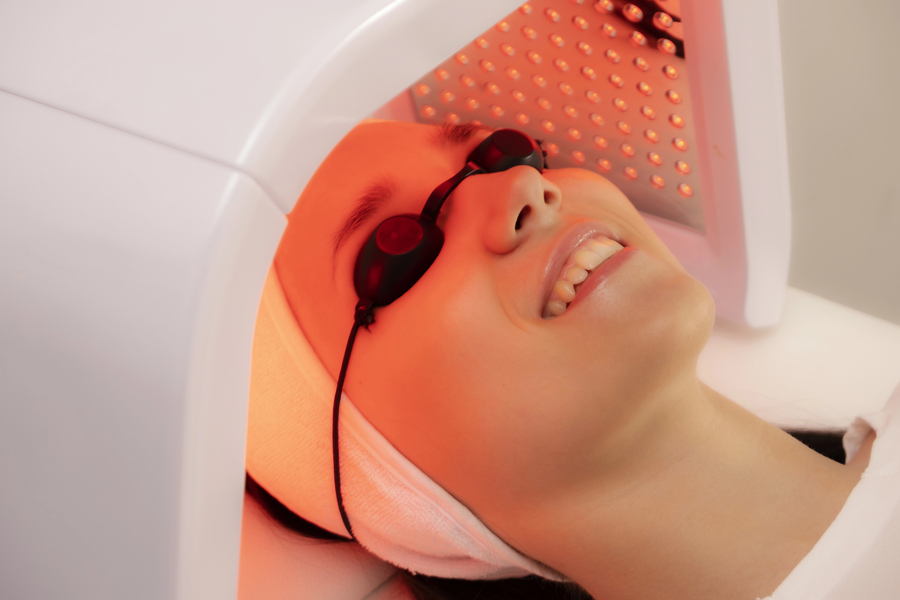
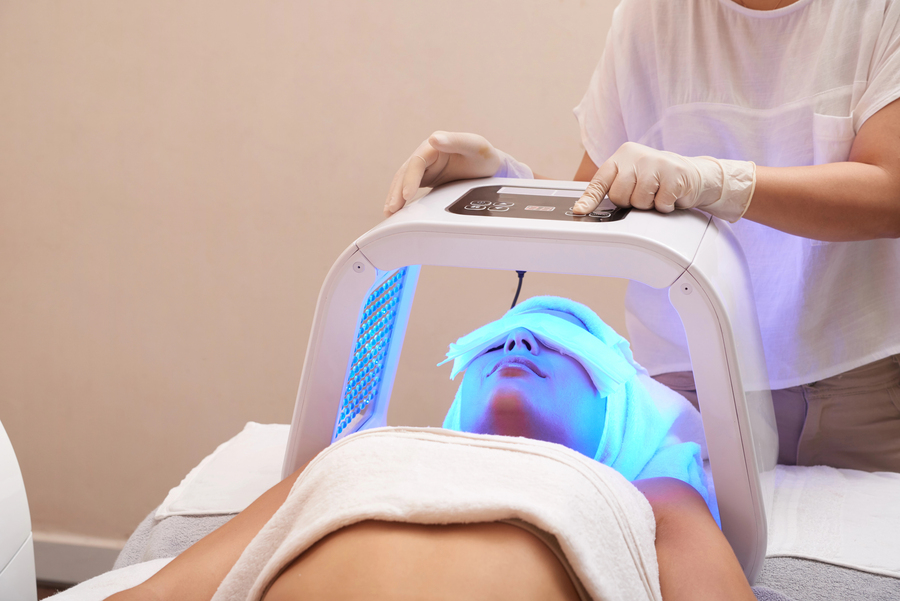
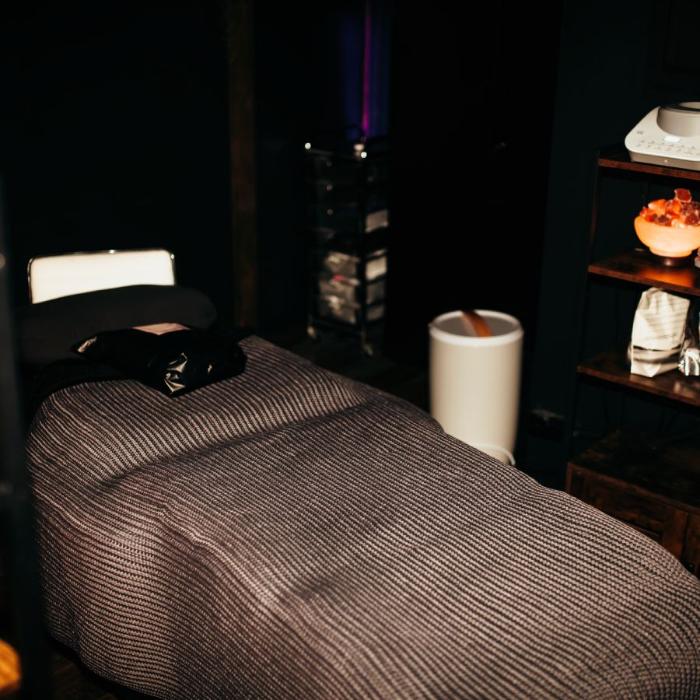
LED light therapy uses panels or arrays of light‑emitting diodes to deliver specific wavelengths of visible red and near‑infrared light to the skin and underlying tissues. Unlike UV, these wavelengths are chosen for their supportive, non‑tanning effects and are used at controlled intensities in a treatment setting. LED light therapy does not use narrow band UVB or narrowband ultraviolet, which are common forms of medical phototherapy for skin conditions. At Lavana Connection, this service is provided in a private room on a comfortable, heated table to help you fully relax.
ultraviolet light is primarily associated with tanning and can contribute to sunburn and other skin changes when overused. While UVB light and UVA light are both used in medical phototherapy for certain skin conditions, such as psoriasis and in treatments like PUVA, these wavelengths are not part of our spa’s LED-based treatments. In contrast, the red and near‑infrared light used in our LED sessions does not tan the skin and is selected specifically to avoid the risks associated with UV. This allows you to enjoy light‑based wellness support without intentionally exposing yourself to ultraviolet rays.

Why We Focus on LED Instead of UV

Our choice to emphasize Led Light Therapy rather than direct UV exposure reflects our commitment to safe, evidence‑informed wellness services. UVB treatment and sun lamps can carry an increased risk of skin cancer and premature aging, which is why our spa avoids these modalities. Red and near‑infrared light have been widely studied for their supportive effects on cellular energy and tissue comfort, making them a natural fit within our spa’s offerings.

Lavana Connection is not a medical clinic; we are a wellness day spa and skin clinic. That means our light therapy is positioned as a way to support relaxation, general comfort, and well‑being—not as a treatment for medical conditions. We do not provide UVB phototherapy or use a phototherapy unit, which are typically reserved for treating skin disorders in medical settings. By focusing on non‑UV LED light, we can offer a soothing, low‑risk modality that complements our massage and therapeutic services.

How Medical-Grade Red Light Therapy Works

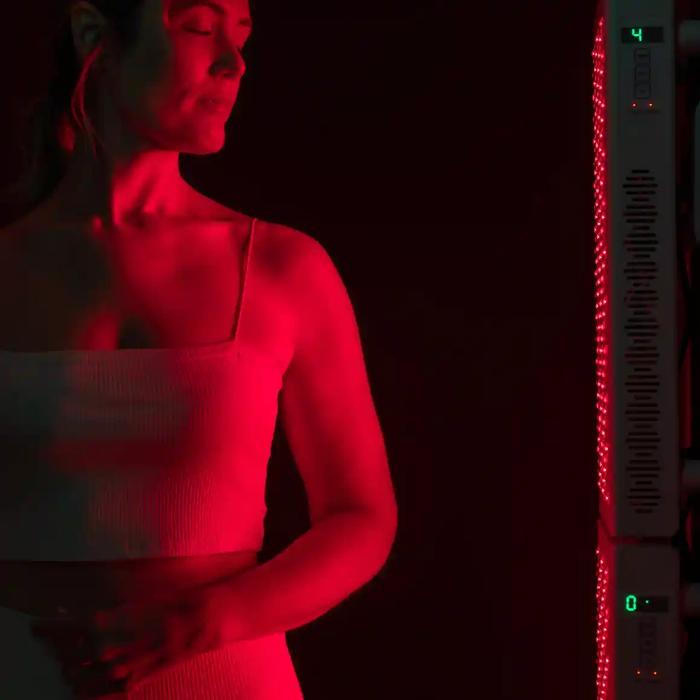
our medical-grade red light therapy uses red and near-infrared wavelengths delivered through a professional light panel positioned close to the body. These wavelengths are designed to penetrate the surface layers of tissue, where they are absorbed by cells, particularly within the mitochondria, often referred to as the cell’s “energy centers.” This process supports cellular function and the body’s natural healing response.

Red light therapy does not use ultraviolet (UV) light and does not expose the skin to harmful radiation. It is a non-prescriptive, non-invasive wellness therapy that is commonly physician-referred to help support skin health, inflammation reduction, and overall well-being.
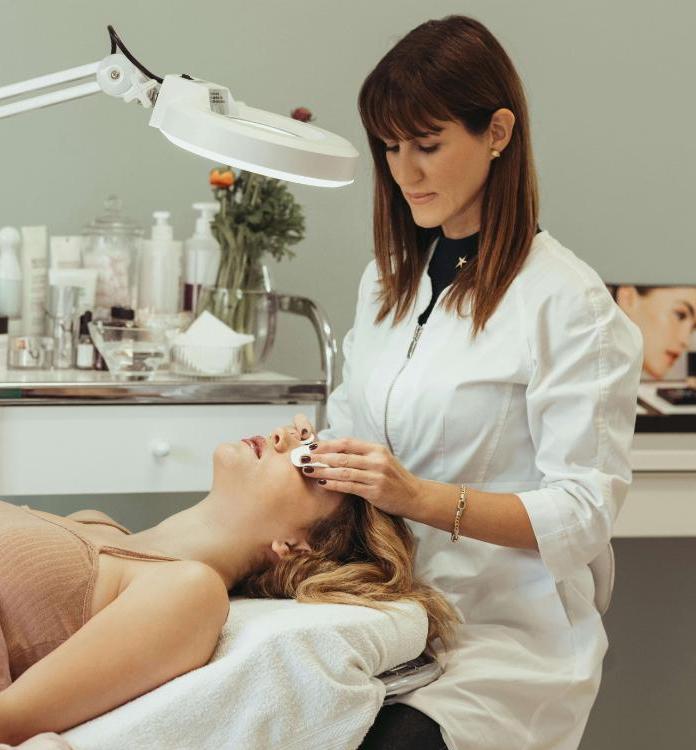
When light at these wavelengths is absorbed, it can help support the natural production of cellular energy (ATP) and encourage normal circulation and tissue function. However, while LED therapy supports general wellness, it is not designed to reduce inflammation or treat inflammation-related skin conditions. This is why many people use LED sessions as a way to help their body feel more restored, especially in combination with other wellness practices.

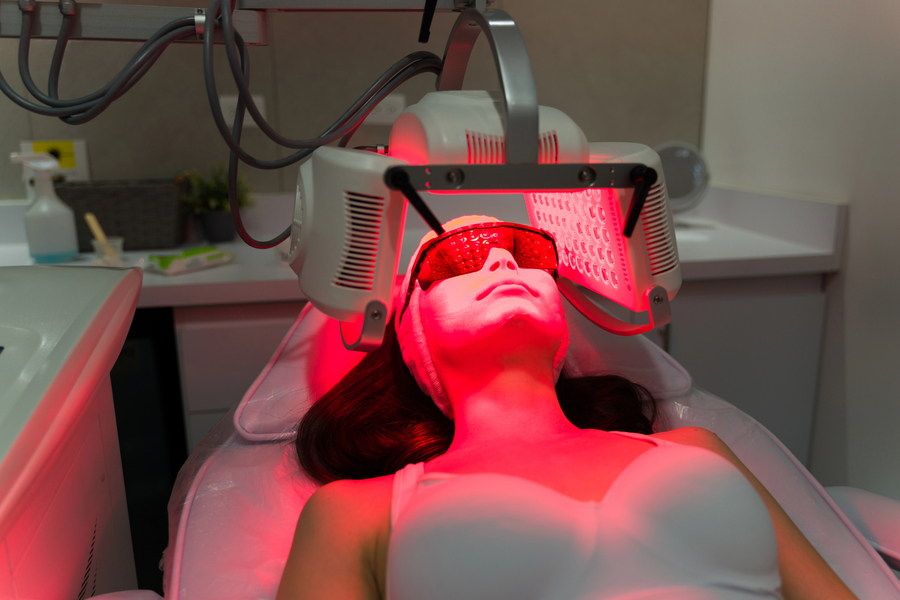
The process is non‑invasive, needle‑free, and generally not painful. You simply lie down, expose the areas you want to focus on, and let the light panel do its work. The treatment area is limited to the skin exposed to the LED panel, ensuring targeted therapy. The sensation is often described as gentle warmth or mild heat, without the harsh intensity sometimes associated with UV lamps. Skin redness is uncommon with this modality.

Clients choose LED‑based “ultraviolet light therapy” sessions for several reasons, even though we are not providing UV rays themselves. Experiences vary, but many people report feeling:

  • Looser and more comfortable in tight or overworked areas
  • More relaxed and rested after a session
  • Gradual improvements in how their skin or tissue feels over time

Some guests feel an immediate sense of relaxation or gentle “lightness” in the areas that received light. Others notice benefits after a series of sessions, such as more comfortable movement or a refreshed look to their skin. These outcomes are supportive rather than curative; they work best as part of an ongoing self‑care routine.

What to Expect During a Light Therapy Session

A light therapy session at Lavana Connection is designed to feel as simple and restorative as possible. The experience is closer to a quietly meditative rest than a high‑intensity medical procedure.

You’ll check in at our Stevensville location and be guided to a private treatment room. Your provider will briefly review your goals for the session, any relevant health history, and which areas you’d like to focus on. This is a good time to mention any photosensitivity, medications, or skin concerns.

You’ll be asked to undress to your comfort level so the skin you want treated is exposed. This could mean shorts and a tank top, or undergarments, depending on the focus areas. You’ll lie on a heated massage table, covered where needed for warmth and modesty, while the LED device is positioned above or alongside your body.

Once you’re comfortable, the Led Light Therapy device is turned on. Sessions are typically timed (for example, around 20 minutes), and you can close your eyes, listen to soft music, or simply rest. Protective eyewear may be provided or recommended depending on the setup. It is important to wear eye protection during any light therapy session involving bright or potentially harmful light to prevent permanent eye damage and ensure your safety.

Most people experience a gentle warmth from the light rather than an intense heat. There should be no stinging, burning, or sharp pain. If anything feels uncomfortable, you can speak up at any time so we can adjust the distance, position, or duration.

When the session ends, the light is turned off and you can take a few moments to re‑orient yourself before dressing. Many clients feel pleasantly relaxed, similar to how they might feel after a restful meditation or quiet break.

There is no required downtime after LED light therapy. You can return to your usual daily activities in Stevensville or Missoula, MT right away. If your skin feels warm, we may suggest simple measures like hydration and avoiding very hot showers for a short period, but most people do not need any special aftercare.

Who Is (and Isn’t) a Good Candidate

LED‑based “ultraviolet light therapy” can be a good option for many adults seeking gentle, supportive wellness services. However, patients with certain skin conditions may require UVB treatment, such as NB-UVB therapy, administered under medical supervision rather than LED-based wellness therapy. Still, there are important exceptions where light therapy may not be advisable.

Generally Suitable Clients

Most healthy adults who are not sensitive to light and who are not taking photosensitizing medications can consider light therapy as part of their wellness plan. It may be appealing if you:

  • Want a non‑invasive, hands‑off service
  • Are curious about supportive, tech‑forward wellness tools
  • Enjoy combining modalities like sauna, massage, and LED in a single self‑care routine

Many of our guests pair LED sessions with massage or other therapeutic offerings at Lavana Connection. For example, you might schedule a massage to address muscle tension followed by LED therapy to further support recovery and relaxation.

When to Avoid or Delay Treatment

Certain conditions and medications can increase a person’s sensitivity to light. In such cases, LED or UV‑style therapies may not be appropriate. It is important to consult a healthcare provider before starting treatment with UVB or PUVA therapy, especially for individuals with medical conditions or those who are pregnant.
You should talk to your healthcare provider before booking if you:

  • Have a condition associated with photosensitivity (e.g., lupus)
  • Take medications that increase light sensitivity
  • Are pregnant or under active medical evaluation for unexplained symptoms

If your doctor advises against ultraviolet lightTherapy or LED exposure, we will honor that guidance and help you explore other services instead.

Frequency, Results, and Limitations

Light therapy is most effective when viewed as a supportive, ongoing practice rather than a one‑time miracle fix. For medical UVB phototherapy, the number of treatment days and exposure time are carefully managed to balance effectiveness and safety. Managing expectations helps you get the most from each session.

There is no single “right” number of sessions; it depends on your goals and how your body responds. Many people start with 2–3 sessions per week for several weeks, then adjust based on how they feel and what they notice.

Like exercise or meditation, consistency tends to matter more than intensity. A steady schedule—combined with good sleep, hydration, and other healthy habits—can help your LED light sessions become a meaningful part of your wellness rhythm.

Light therapy at Lavana Connection is a cosmetic and wellness service, not a medical treatment. It’s important to be clear about its intended role. LED therapy is not intended for treating psoriasis or other specific medical skin conditions.

Our LED sessions can support relaxation, comfort, and a general sense of well‑being. They are not designed to diagnose, treat, or cure medical conditions, and they do not replace advice or care from your physicians or other medical professionals. If you have ongoing pain, skin changes, or other health concerns, those should always be evaluated by a qualified provider in Stevensville or Missoula, MT.

Book LED‑Based UV Light Therapy in Stevensville, MT

If you’re curious about gentle, light‑based wellness support, our LED‑driven approach to uv light treatment at Lavana Connection in Stevensville, MT offers a calm, professionally guided experience. Serving clients from Stevensville, the Bitterroot Valley, and Missoula, MT, we integrate Led Light Therapy into a broader menu of relaxing, restorative services.
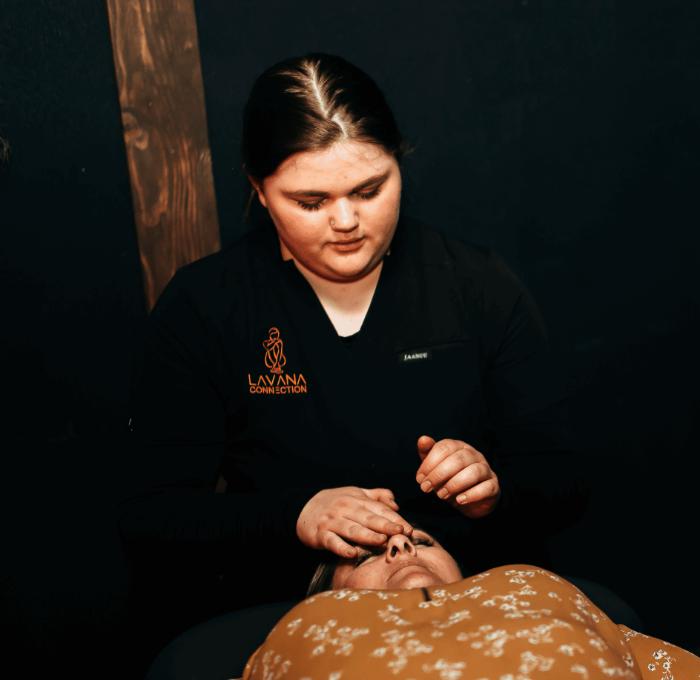
Our team will gladly answer your questions, explain how light therapy fits within our wellness philosophy, and help you decide whether it belongs in your self‑care routine.

Contact Lavana Connection today to book a light therapy session or consultation. We’ll walk you through what to expect, tailor the visit to your comfort, and provide a serene space where you can pause, recharge, and let the light gently go to work.

FAQs

At Lavana Connection, we do not intentionally expose clients to therapeutic UV rays. Our service uses red and near‑infrared Led Light Therapy, which many people search for under the broader term “UV Light Therapy.” We focus on non‑UV wavelengths aligned with our safety‑first, wellness‑oriented approach.

Anyone with a history of skin cancer, complex skin conditions, use of photosensitizing medications, or a recommendation for medical phototherapy (such as narrowband UVB, PUVA, or home phototherapy) should speak with their healthcare provider before booking. Your doctor can help you decide whether a non‑UV, LED‑based wellness session is appropriate in addition to your existing care.

Our LED light treatment is not designed to diagnose or treat medical skin conditions such as psoriasis, eczema, vitiligo, or skin cancers. Some clients feel their skin looks or feels better as part of an overall self‑care routine, but any medical concern should be evaluated and managed by a dermatologist. We encourage you to follow your doctor’s plan and view our services as complementary only, not a replacement.

Some people feel more relaxed or “loosened up” after just one session, especially if they came in feeling tense or fatigued. More noticeable changes in how tissues feel or how skin looks typically develop over a series of sessions.

A single session can be a great introduction, but LED‑based “ultraviolet light therapy” usually works best as part of a consistent routine. We can help you plan a starting schedule and adjust as you go.

Most people tolerate Led Light Therapy very well, with minimal to no side effects. Mild warmth or temporary redness in treated areas can occur but usually resolves quickly.

No. Lavana Connection does not use light therapy to diagnose or treat skin cancer or cutaneous T cell lymphoma. Those are serious medical conditions that require evaluation and management by a dermatologist or oncology team using medically supervised phototherapy treatments or other therapies. Our light therapy is a non‑UV, LED‑based wellness service only.

Our LED light treatment is not designed to diagnose or treat medical skin conditions such as psoriasis, eczema, vitiligo, or skin cancers. Some clients feel their skin looks or feels better as part of an overall self‑care routine, but any medical concern should be evaluated and managed by a dermatologist. We encourage you to follow your doctor’s plan and view our services as complementary only, not a replacement.

No. If your dermatologist has recommended phototherapy treatments, PUVA treatment, an excimer laser, or a light box for a diagnosed condition, you should not substitute our LED sessions in place of those therapies. Our service is cosmetic and wellness‑oriented; any changes to your medical light treatment plan should only be made in consultation with your physician.